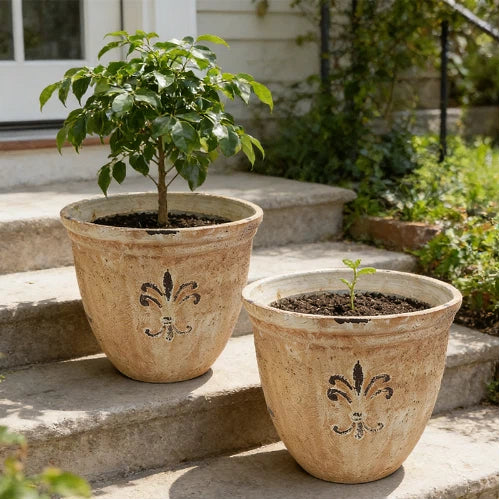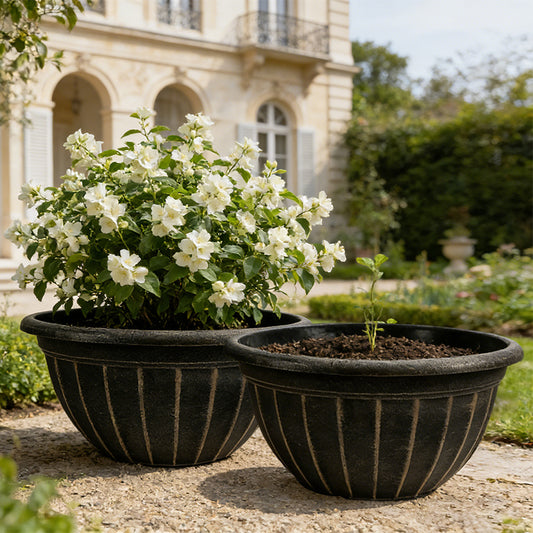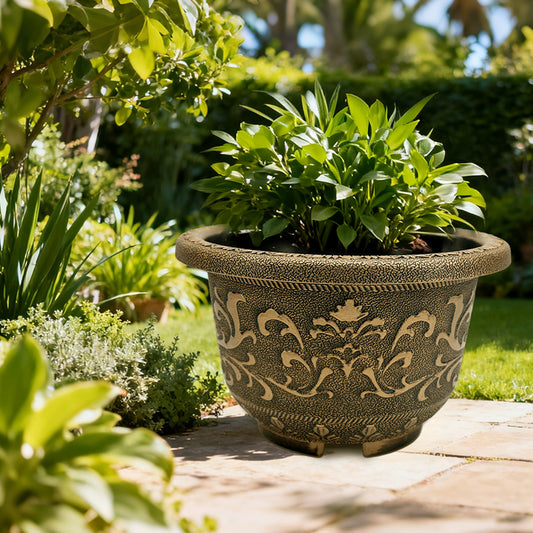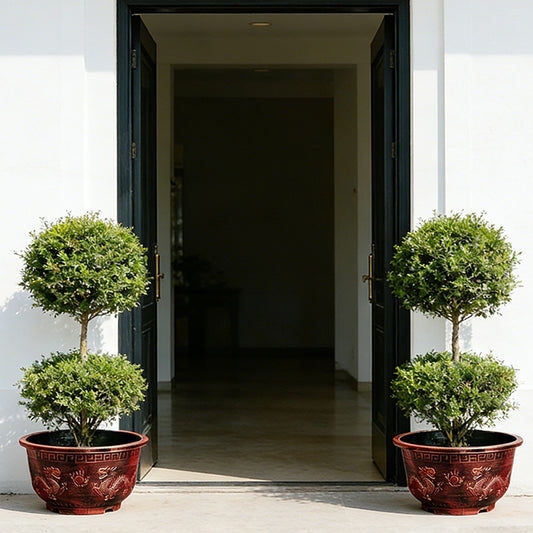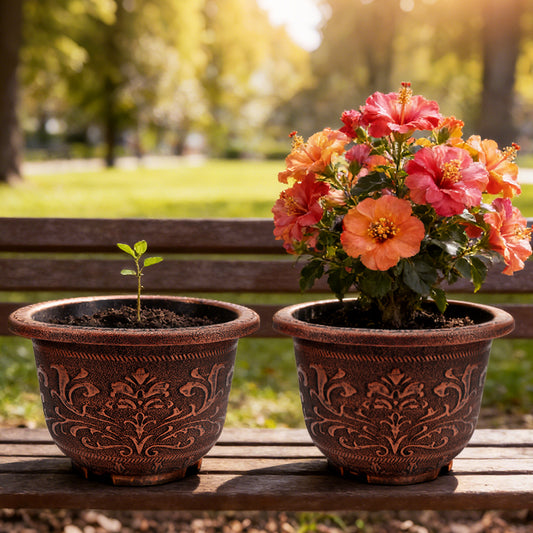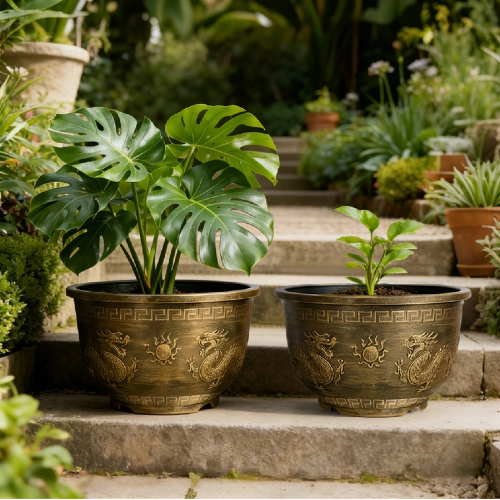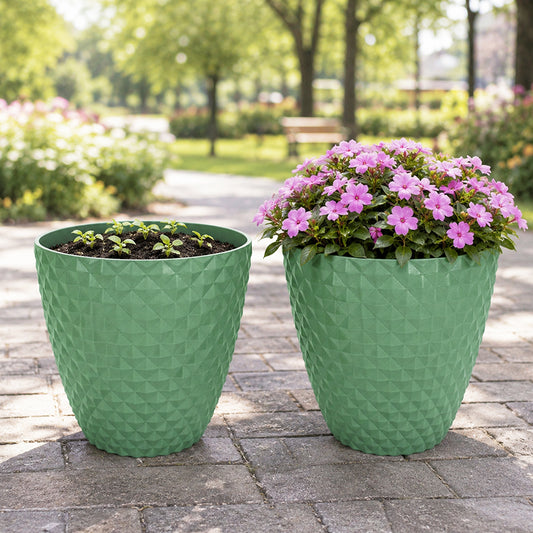
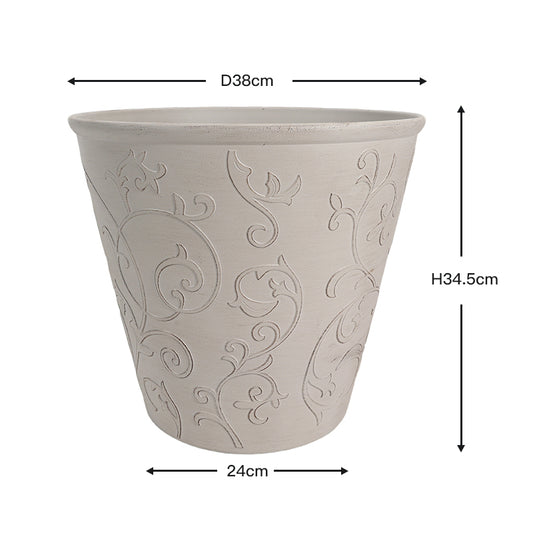
Collection: Tall planters

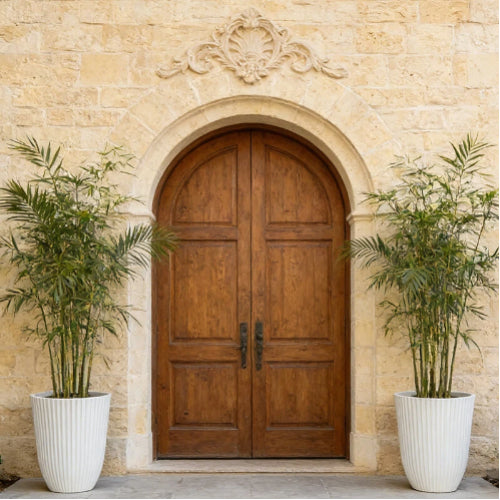
Our tall planters create vertical interest and frame outdoor areas while maximizing growing space in compact settings. Whether you're looking for a statement piece to flank your front door or a sleek container to add greenery to a balcony, the right planter elevates both your plants and your design. This collection spans modern to traditional styles, with options built for indoor elegance and tall outdoor pots engineered to handle the elements, all crafted with care to support your lifestyle and the environment. At Solum Vitae, we believe that every planter should reflect a commitment to quality, sustainability, and timeless design.

Types of Tall Planters

Tall pots break down into three broad categories based on style and where you plan to use them.

Modern Tall Planters

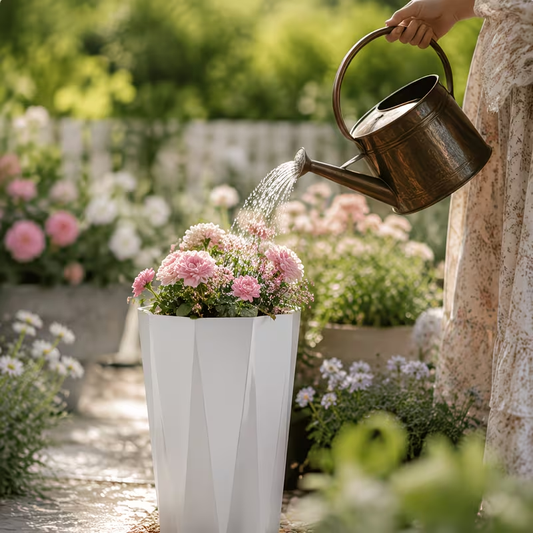
Modern pots feature sleek geometric shapes—cylinders, tapered cones, rectangular towers—with clean lines and minimal ornamentation. Matte finishes, powder-coated metals, and fiberglass composites dominate this category. The Fon Vertical Stripe Tall Pots, for example, features a sleek tall cylinder design, making it ideal for urban gardens, balconies, and minimalist homes. Textured surfaces like fluting and ribbing are trending in 2026, adding depth without clutter.

Traditional Tall Planters

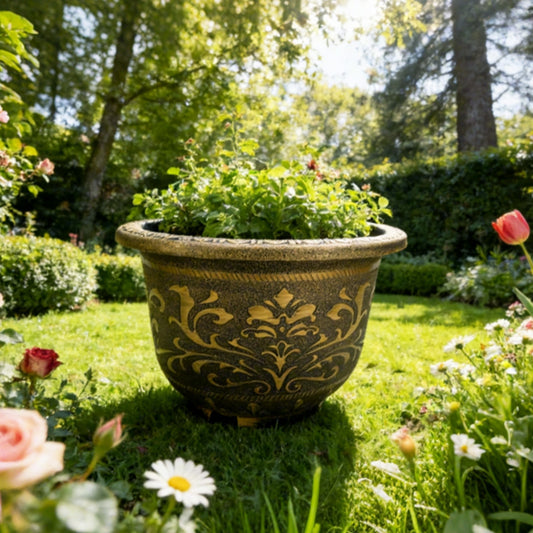
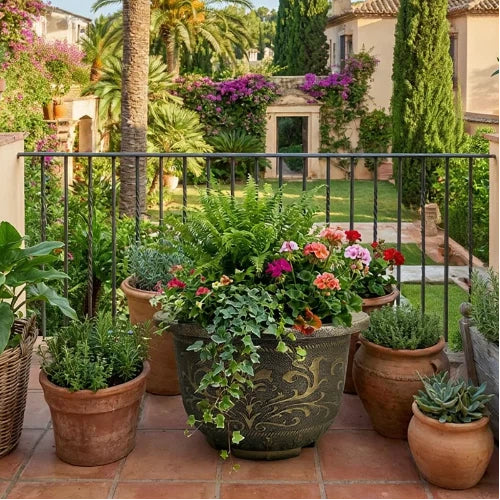
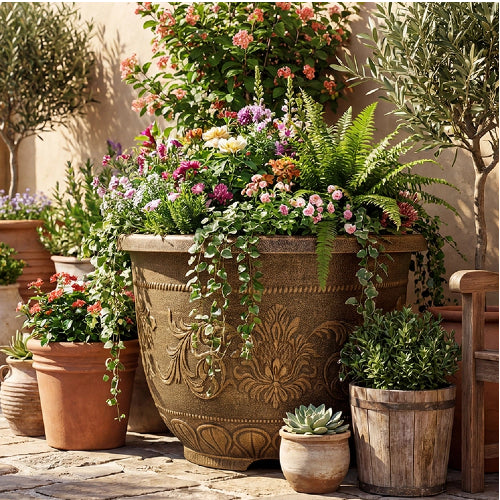
Classic urn shapes, pedestal forms, decorative mouldings, and ornate rims define this category. Materials like glazed ceramics, cast stone, and copper give these container timeless appeal. Traditional tall pots are the natural choice for formal gardens, period-style homes, and entranceways where architectural heritage matters. Traditional low-profile containers are better for shallow-rooted plants, but tall traditional designs provide ample soil volume for extensive root systems and larger specimens.

Tall Outdoor Planters

Built to stand up to rain, frost, UV exposure, and wind, tall outdoor Pots prioritize weather-resistant materials and functional design. Look for pre-drilled drainage holes, raised feet for airflow beneath the base, and finishes that resist cracking through freeze-thaw cycles. These containers are popular for gardening on patios, decks, or balconies, and they can act as privacy screens or area dividers when grouped together with tall foliage plants.

Plastic Tall Planters

Plastic containers offer a versatile, lightweight, and cost-effective option suitable for both indoor and outdoor use. Their durability against cracking and chipping makes them ideal for various climates, and they resist fading thanks to UV-stabilized finishes. Plastic containers are easy to move and rearrange, perfect for seasonal gardening or changing décor. Additionally, plastic is low maintenance, does not absorb moisture, and often comes in a wide range of colors and styles to match any aesthetic. These benefits make plastic tall pots a practical choice for gardeners seeking flexibility and longevity without sacrificing style.

What to Look For in Tall Planters

A few technical features separate a planter that performs well from one that causes headaches. Here's what to evaluate before you add items to your cart.

Drainage System

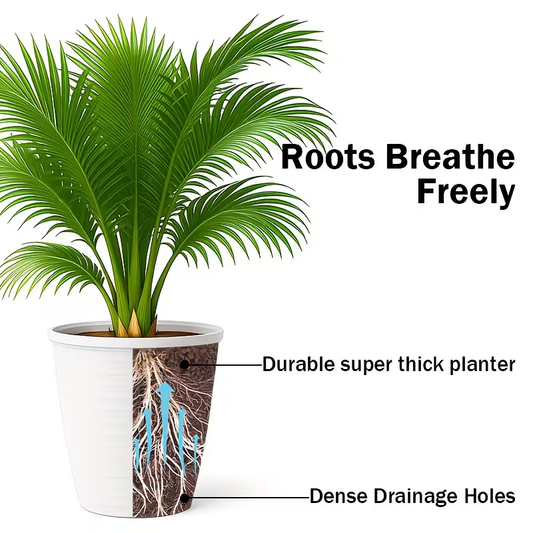
Proper drainage is non-negotiable for plant health. Tall Pots have superior drainage due to their added depth, but that depth also means the bottom portion of soil can stay damp while the surface dries out. For outdoor use, select containers with pre-drilled drainage holes and raised bases that allow water to exit freely—waterlogging leads directly to root rot. Indoor Pots often work as cachepots with removable liner pots, saucers, or false bottoms with gravel to manage water without damaging floors. A thin mesh layer over drainage holes prevents soil loss while maintaining airflow.

Material Quality

The durability of tall pots comes from designs using robust materials, but each material has trade-offs:

Fiberglass and resin composites - Lightweight and easy to move, suitable for both indoor and outdoor use when UV-stabilized.

Plastic - Lightweight and highly durable, plastic containers resist cracking and chipping better than ceramic or concrete. UV-stabilized plastics maintain color vibrancy and resist fading outdoors. They are easy to clean, moisture-resistant, and often more affordable than other materials, making them ideal for gardeners seeking low-maintenance options.

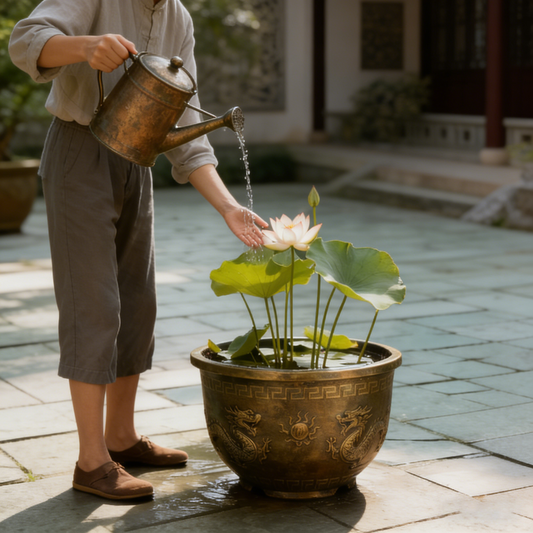
Metal (steel, aluminum, copper) - Strong architectural presence. Requires proper powder-coat or clear-coat finishes to resist corrosion. Metal heats up in full sun, which can stress plant roots.

Ceramic and terracotta - Beautiful glazing and excellent moisture retention, but porous terracotta can crack in freeze-thaw conditions. Best for mild climates or covered outdoor spaces.

Concrete and fiber cement - Very durable and heavy, providing natural stability. Shipping costs increase significantly with weight, and concrete may need sealing in cold-climate country settings.

Stability and Base Design

A wider or flared base prevents tipping, especially outdoors where wind exposure is a factor. A useful guideline: base width should be at least one-third of the planter height. Weight distribution also matters—adding ballast like coarse gravel or sand in the bottom of the container lowers the center of gravity. For indoor use, a sturdy stand or riser with a low profile keeps containers secure on hard floors.

How to Choose the Right Tall Planter

Turn the features above into a decision by weighing these four criteria:

Plant size and root space requirements - Match planter depth to your plant's root system. A plant that will grow 6 feet tall typically performs best in a 24- to 36-inch tall planter. Tall containers provide ample soil volume for extensive root systems, but many require significant amounts of soil and filler—consider using lightweight filler in the bottom third to reduce weight and cost.

Location and weather exposure - Indoor placement allows lighter materials and decorative finishes, while outdoor placement demands frost-resistant, UV-stable construction with proper drainage. The Milano planter is designed for tight indoor and outdoor spaces, and the Perth planter has a space-saving width of 16 inches—both good for compact areas near a door or along a narrow walkway.

Style and aesthetic goals - Match your planter to your existing decor. The 2026 trend toward warm minimalism, natural textures, and matte finishes makes textured modern containers especially versatile. Tall pots enhance aesthetic appeal with their modern design while serving as functional garden elements.

Budget and long-term value - Pots range from $22.43 to $2,513.95. They may have a higher initial cost but offer better gardening ergonomics—the increased height reduces the need for bending or kneeling, which adds real daily value. Heavier materials like concrete and metal cost more upfront but last longer, while lightweight resin and plastic are easy on the budget but may need earlier replacement outdoors.

Frequently Asked Questions

What height qualifies as a tall planter?

Most retailers define "tall" as containers in the 20–30 inch range. "Large tall" or "statement" containers run 32–42 inches, and extra-tall or architectural containers reach 48–60 inches or more. The right height depends on your space and planting goals—taller pots create more visual impact and allow vertical gardening on small balconies and decks.

Do tall planters need different care than standard pots?

Yes. Many improve moisture retention for plants, but the deeper soil column means the bottom can stay wet while the top dries—use well-draining soil and monitor moisture at multiple depths. Elevating plants reduces vulnerability to ground pests, which is a practical benefit. When filled, containers become very heavy, so plan placement carefully. Outdoors, consider insulating roots or moving containers under cover for winter in cold climates.

Which pots work best outdoors?

Select materials rated for weather exposure: concrete, fiber cement, treated metals with powder-coat finishes, UV-stabilized fiberglass, or UV-stabilized plastic. Essential features include drainage holes, raised feet, and freeze-thaw resistance.

How do I prevent pots from tipping over?

Start with a planter that has a broad or flared base. Add coarse gravel, rocks, or sand in the bottom to lower the center of gravity. Position containers against walls or near weight-bearing structures in windy areas. Indoors, pair containers with low-profile stands and avoid placing them where they can be bumped. For very tall or narrow designs, anchoring the planter to an adjacent structure adds an extra layer of security.

Explore Our Tall Planter Collection

At Solum Vitae, we are dedicated to providing planters that combine functionality, style, and sustainability to enrich your living spaces. They maximize limited space and improve accessibility, turning any patio, entryway, or living room corner into a vertical garden. Browse the full collection to find the height, material, and style that fits your space—then select the one that works and add it to your cart with confidence, knowing it aligns with our mission to enhance your environment responsibly.


Fast Delivery

Customer Support

Free Shipping

Secure Payment