Collection: All Planters

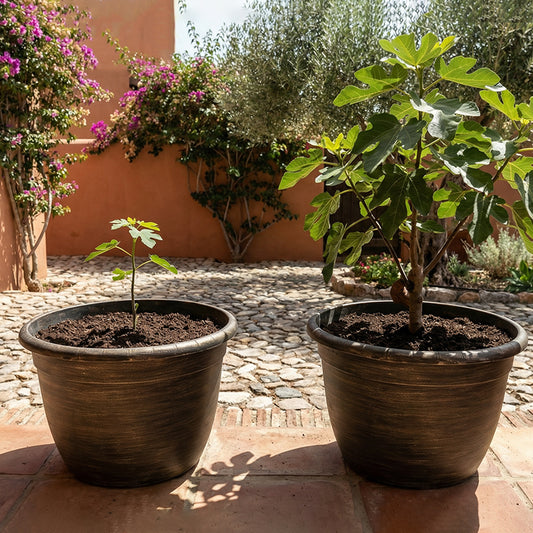
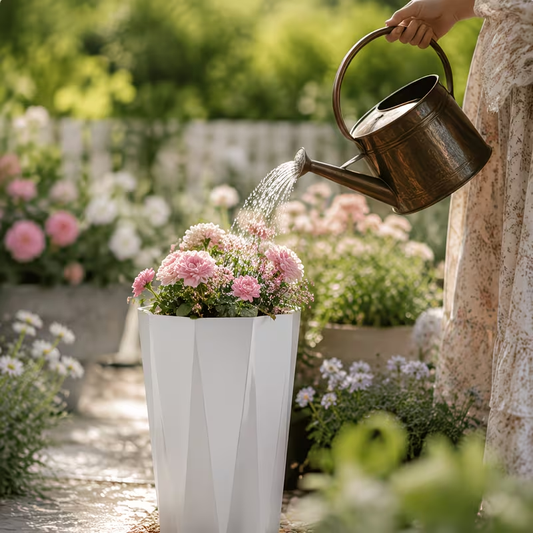
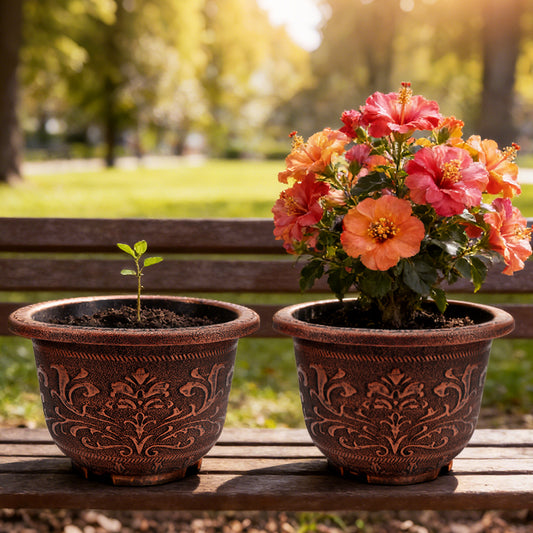
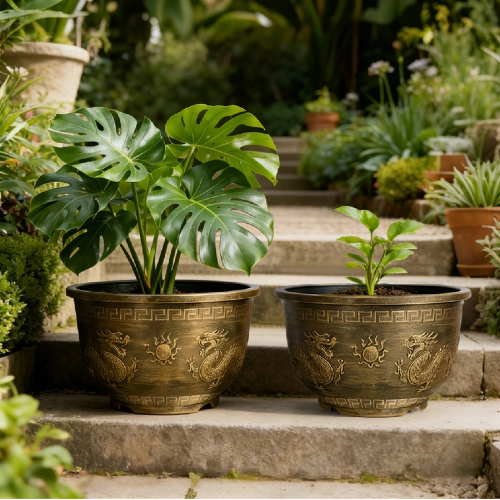
Discover a comprehensive collection designed to meet every planter need in one convenient place. From versatile garden containers to decorative flower pots outdoor and stylish patio vessels, this full-category selection offers quality, variety, and innovation for all your planting projects. Whether enhancing your indoor green space or transforming your outdoor area, find everything here to create a cohesive, thriving garden environment without searching elsewhere. This one-stop destination ensures you have access to the perfect containers that blend durability, style, and functionality to suit every plant and setting.

Whether you're growing herbs on a kitchen counter or filling a patio with seasonal color, the right container shapes how your plants grow and how your space feels. This collection offers everything from durable garden containers to vibrant flower pots and stylish patio vessels. Below, you'll find a clear breakdown of types, key features, and tips to choose the perfect piece to suit your gardening goals and aesthetic preferences.

Types of Planters

Containers come in various materials like plastic, terracotta, wood, and metal, each suited to different uses and environments. Understanding the types helps you select the best option for your plants and space.

Indoor Planters

Indoor containers are designed for home décor lovers who want to bring greenery inside without risking water damage. These include terracotta pots, ceramic pots, plastic pots, and cachepots that hide functional inserts behind decorative finishes. Small pots fit well on shelves and windowsills, perfect for limited indoor spaces, while larger ones can anchor a living room corner or brighten a hallway. Using misters can help maintain humidity levels ideal for tropical plants and delicate foliage in climate-controlled rooms. Indoor containers also serve as stylish accents that complement your interior design.

Garden Planters

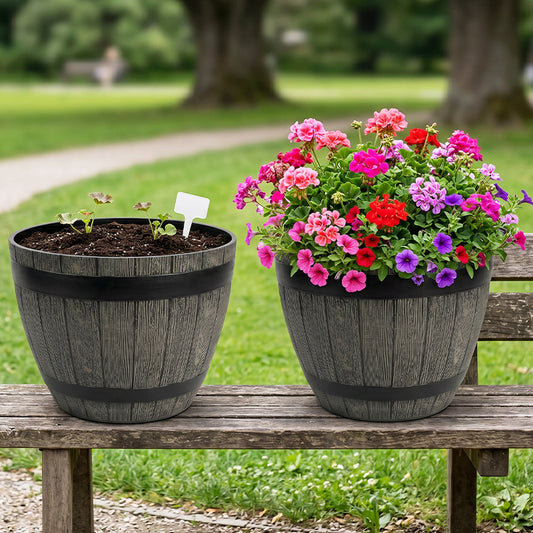
Garden containers are made for serious outdoor growing—whether you’re just starting out or already have a green thumb—with vegetables, perennials, and shrubs where root depth, soil volume, and weather resistance matter. Weather-resistant materials stand up to rain, UV rays, and freezing temperatures, ensuring longevity. Wooden containers offer natural insulation and are great for growing vegetables, providing a rustic aesthetic. Concrete and fiberstone containers handle cold climates well and add a contemporary touch. Extra-large barrel containers add texture and ample space for deep-rooted plants. These pieces also help define garden spaces and create focal points, enhancing the overall landscape design.

Patio Planters

Patio containers blend style and function. They need to look good alongside outdoor furniture and withstand sun, wind, and rain. Lightweight materials like polyresin and fiberglass make moving them easy for seasonal changes or rearranging social spaces. Double-wall construction insulates roots from temperature extremes, promoting plant health. Steel containers provide a modern touch and complement contemporary outdoor designs. These often serve as room dividers or focal points in social areas, creating inviting outdoor living spaces.

Flower Planters

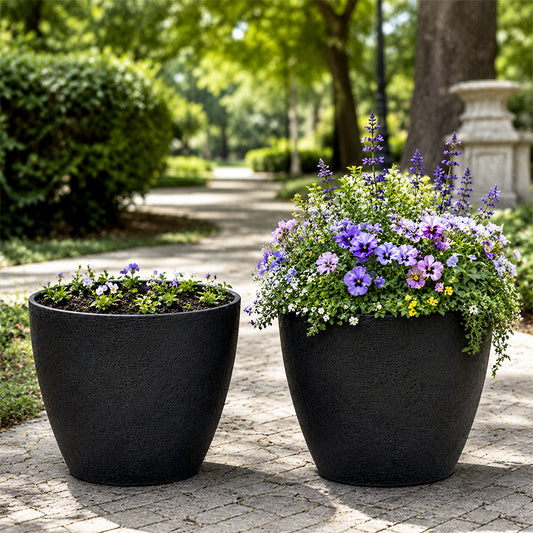
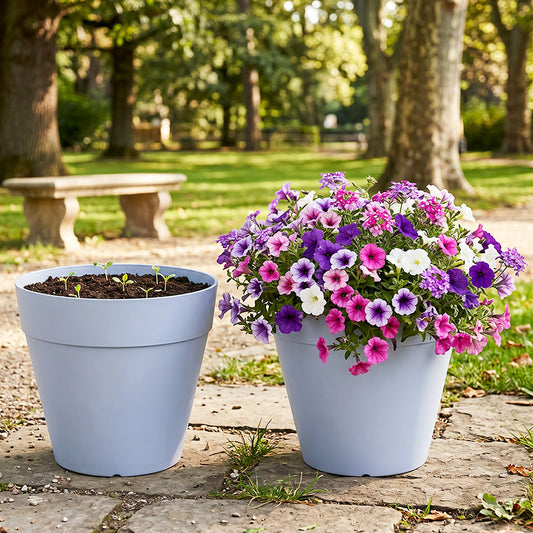
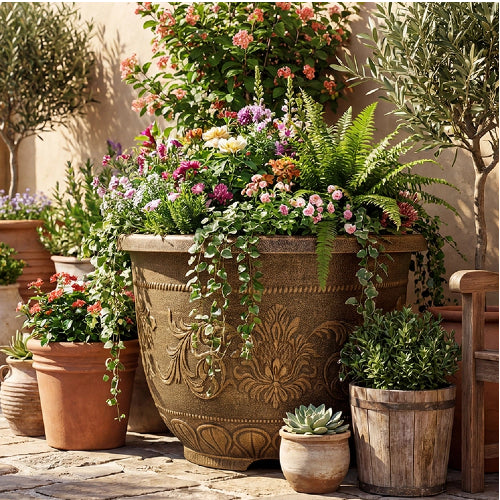
Flower containers have wide, shallow shapes to let annuals and bedding plants spread out for maximum visual impact. They are lighter and more decorative, perfect for seasonal swaps like spring tulips to summer petunias. The "thriller, filler, spiller" design principle helps create balanced, eye-catching displays by combining tall, medium, and trailing plants. Look for flower pots outdoor rated for UV stability to keep colors vibrant and prevent fading. These containers are often used to add bursts of color on patios, balconies, and garden beds.

Specialized Planters

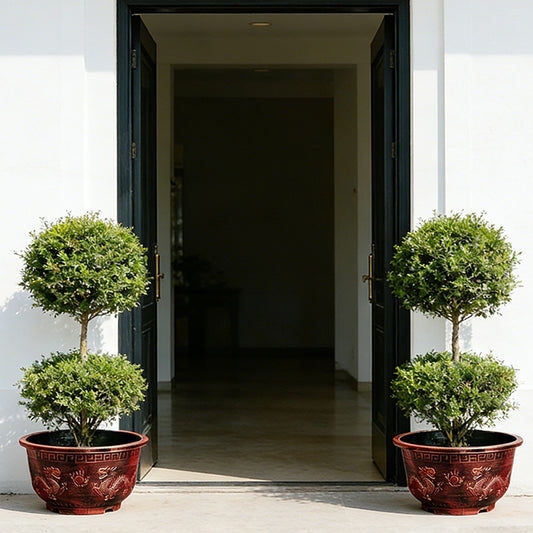
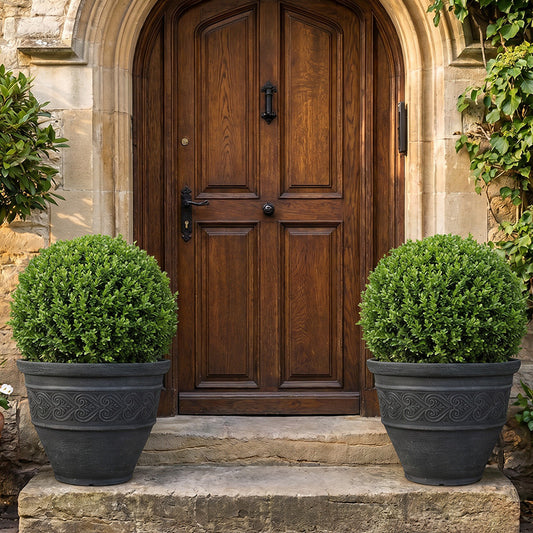
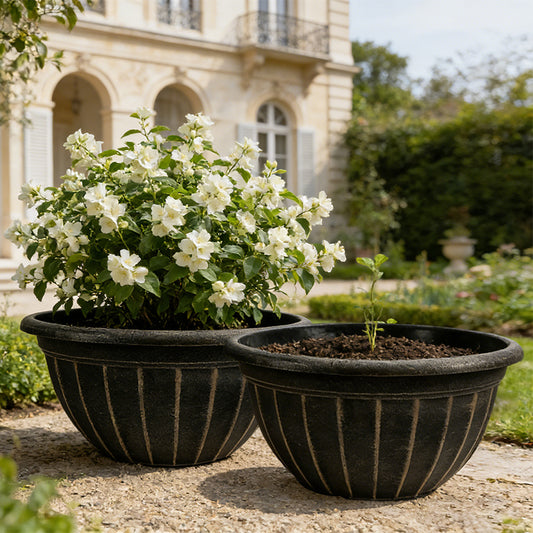
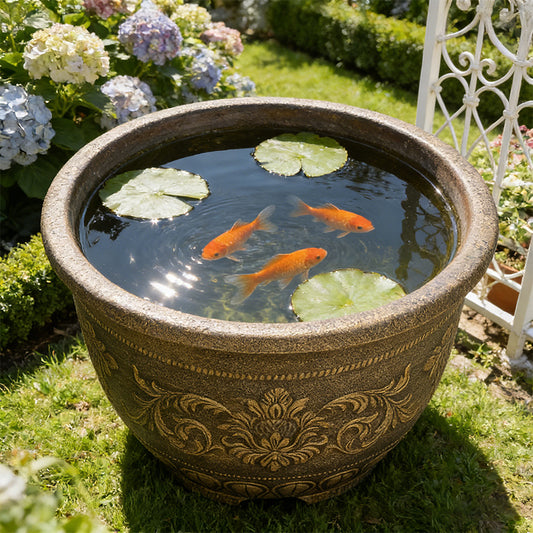
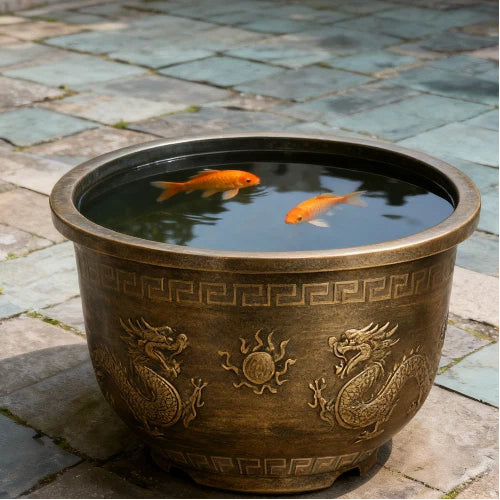
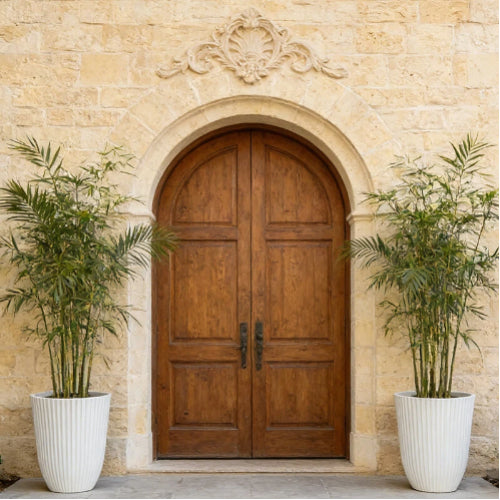
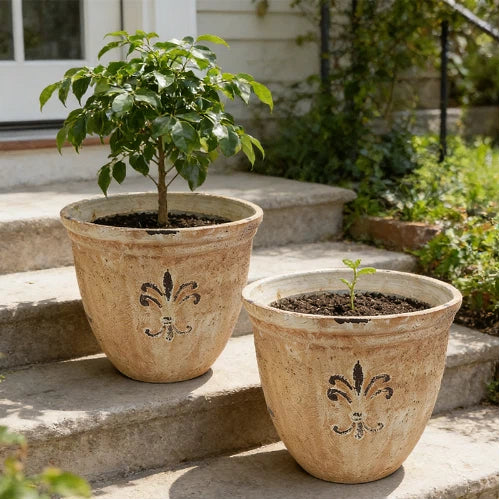
Beyond common categories, some unique planter types serve specific landscaping and decorative purposes. Large tree planting containers are designed to accommodate substantial root systems and support mature trees in patios or urban gardens. These containers require deep, sturdy construction and excellent drainage to sustain tree health over time. Fishpond and water feature pots are crafted to hold water securely, often made from waterproof materials like glazed ceramic or fiberglass or plastic. They create tranquil focal points in gardens, supporting aquatic plants and small fish while adding soothing water sounds. Symmetrical sets of flower pots for porches offer a classic, balanced look by placing matching containers on either side of entryways or steps. These sets enhance curb appeal and welcome guests with coordinated floral displays, typically using durable materials suited for outdoor exposure.

What to Look For in Planters

Three key features affect plant health and container performance, making them essential considerations before purchase.

Drainage System

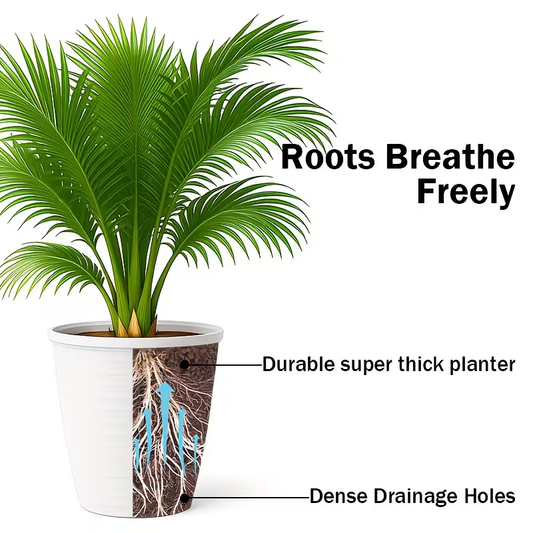
Good drainage prevents root rot and keeps plants healthy. Look for containers with holes at the base—at least ½ inch wide for medium sizes—to let excess water escape. Self-watering containers include reservoirs that reduce watering frequency while maintaining balanced moisture levels. If you prefer decorative pots without drainage holes, use an inner pot with holes and a saucer underneath to catch excess water. Using a quality potting mix with added perlite or bark improves aeration and drainage, supporting root development.

Material and Weather Resistance

The material of your container affects durability, weight, insulation, and cost. Selecting the right material ensures your planter lasts and supports plant health.

Terracotta / Natural Clay: Porous and breathable, perfect for succulents and indoor rustic charm. Terracotta allows excess moisture to evaporate but is not frost-proof without treatment, so bring indoors during freezing weather.

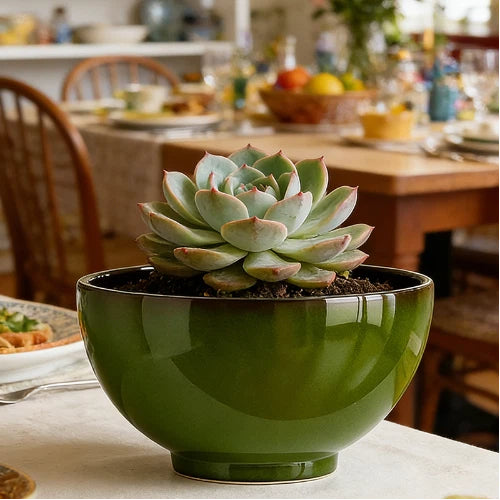
Ceramic / Glazed Stoneware: Heavy and decorative, ceramic containers retain moisture well. Glazed versions resist water better and are suitable for sheltered outdoor areas. Their artistic designs add elegance to any space.

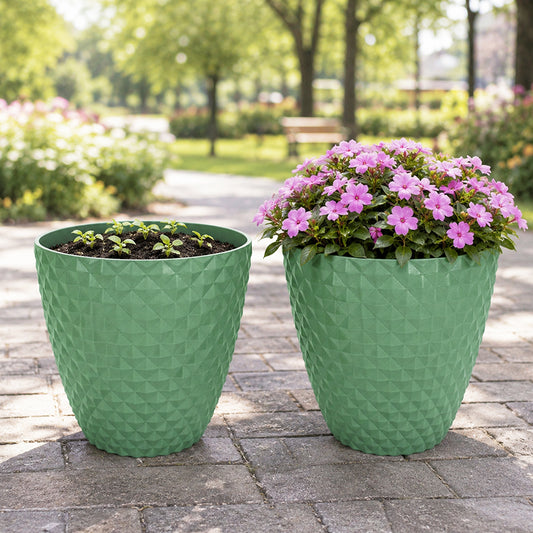
Plastic / Polyresin: Lightweight, durable, and moisture-retentive. UV-stabilized options resist fading and cracking. Polyresin is top-rated for freeze-thaw durability, making it ideal for year-round outdoor use.

Metal: Modern and strong but can heat up in direct sun, which may stress roots. Powder-coated or corten steel resists rust and adds bold industrial style to gardens and patios.

Wood: Naturally rot-resistant woods like cedar and teak insulate soil well but need liners to protect against soil moisture over time. Wooden containers offer a warm, natural look that blends well with garden settings.

Concrete / Fiberstone: Extremely durable with excellent heat retention. Fiberstone blends concrete with fiberglass for lighter weight and cold tolerance. These containers are ideal for large plants and outdoor environments with harsh weather.

Size and Depth

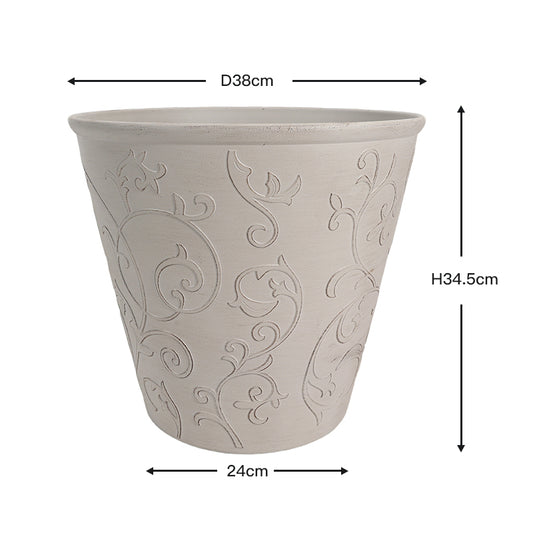
Container size directly impacts root health, watering needs, and plant growth. Larger vessels hold moisture longer and reduce maintenance by buffering temperature swings. Sun-loving plants require enough direct light and deeper containers (12–18 inches) for robust root systems. Shallow containers (6–8 inches) are suitable for annuals, herbs, and flowers with compact roots. Choosing the right size prevents overcrowding and promotes healthy development.

How to Choose the Right Container

Selecting the perfect vessel involves balancing plant needs, location, and personal style.

Plant type and root needs

Match container depth and width to your plant’s root system, leaving 2–3 inches of space around roots. Shallow-rooted plants thrive in wide, low containers; deep-rooted plants require deeper vessels to accommodate growth.

Location and climate

Indoor containers focus on style and surface protection. Outdoor containers must withstand your local climate; in cold zones, choose frost-proof materials like polyresin or fiberstone. Outdoor containers should resist UV rays, wind, and rain to maintain appearance and function.

Style and space

Group containers in odd numbers for a natural, balanced look. Use decorative top-dressings such as pebbles or moss to reduce moisture loss and enhance visual appeal. Consider weight and mobility, adding casters to heavy containers you’ll move seasonally or for cleaning.

Maintenance and watering

Self-watering containers simplify care by reducing watering frequency. Consider your availability and willingness to maintain plants when choosing container types.

Plant Care Tips for Containers

Proper plant care complements choosing the right vessel and ensures thriving greenery.

Watering

Adjust watering frequency based on container size and material. Larger vessels retain moisture longer, while terracotta pots dry out faster.

Sunlight

Place sun-loving plants in containers that receive adequate direct light. Shade-tolerant plants do well in lower light with appropriate placement.

Humidity

Use misters for indoor tropical plants to mimic natural humidity, especially in dry environments.

Soil

Use quality potting mixes designed for container gardening, which improve drainage and nutrient retention.

Drainage

Always ensure excess water can escape to prevent root diseases.

Frequently Asked Questions

What size container do I need for my plants?

Small houseplants need a vessel about 1–2 inches wider than their root ball. Larger plants and vegetables require at least 12 inches of depth and enough width to avoid crowding roots. Proper sizing helps maintain consistent moisture and healthy growth.

Which containers work best outdoors year-round?

Polyresin composites, plastic, fiberstone, and glazed ceramics perform well in all seasons. Concrete vessels tolerate temperatures down to −20°F. Elevating containers on feet or stands improves drainage and reduces freeze-thaw damage.

Do containers need drainage holes?

Yes. Drainage holes prevent water buildup that causes root rot and disease. If you prefer a decorative pot without holes, use it as a cachepot with a draining inner container and saucer. Even one small hole improves drainage significantly.

How do I prevent my metal container from overheating?

Place metal containers in shaded areas during the hottest part of the day or use liners to insulate roots. Powder-coated finishes help reduce heat absorption and protect against rust.

Can I use wooden containers for vegetables?

Yes, wooden containers made from rot-resistant woods like cedar or teak are excellent for vegetables. Use liners to protect the wood and maintain soil moisture.

What full-series planter sets are available for matching indoor and outdoor landscaping?

Solum Vitae offers coordinated full-series sets like the Fon geometric styles and Terra decorative urns that allow seamless matching between indoor and outdoor spaces, helping you create a unified landscape design.

Can I mix small flower pots and extra-large tree containers in one order?

Yes, our collection supports mixing and matching sizes and styles in a single order, so you can combine small flower pots with extra-large tree containers to suit diverse planting needs and design visions.

Are there planters designed specifically for both patio and garden use?

Many of our patio containers are made from weather-resistant materials suitable for garden use as well, offering versatile options that blend durability with style across outdoor environments.

Browse Our Collection

Find the perfect vessel by matching your plant’s needs with the right size and material. Explore our full selection to add style and function to your indoor or outdoor spaces. Whether a single accent or a patio display, the right container brings your garden to life, combining beauty with practicality to support your gardening success.


Fast Delivery

Customer Support

Free Shipping

Secure Payment