Collection: Plant Pots

The right plant pots does more than hold soil - it directly shapes how well your plants grow, how long your setup lasts, and how your space looks and feels. Whether you need pots for plants indoors, durable tree pots for a patio, or simple nursery pots to start seedlings, this collection covers a full range of materials, sizes, and styles to match every plant and setting.

Types of Plant Pots Including Self Watering Options

Pots break down primarily by material, and each material brings distinct advantages for specific plants, climates, and interior styles. Here's how to sort through the options.

Ceramic and Stoneware Pots

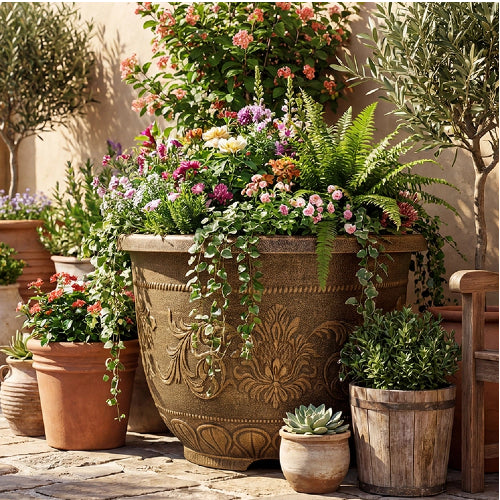
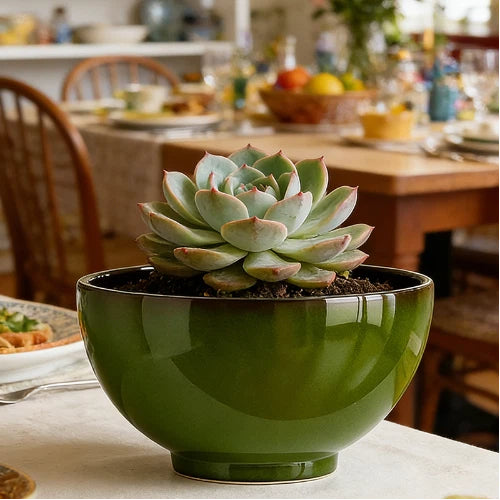
Ceramic pots are clay vessels shaped and kiln-fired, often finished with a glaze that creates a non-porous surface. Stoneware is fired at higher temperatures, producing a denser, more vitrified body. Ceramic pots are excellent for retaining moisture while terracotta allows better airflow - making glazed ceramic ideal for moisture-loving plants like ferns, peace lilies, and tropical houseplants. Ceramic pots come in various colors and sizes for aesthetic appeal, offering tremendous style versatility from clean white silhouettes to bold black or pink finishes. Many ceramic pots lack sufficient drainage, so always check for holes or plan to use a liner. Stylish indoor pots enhance living spaces throughout the house and can serve as decorative accents - a well-chosen ceramic piece on a plant stand instantly elevates a room. A ceramic pot can also work well at the end of a console, shelf, or seating area.

Terracotta and Clay Pots

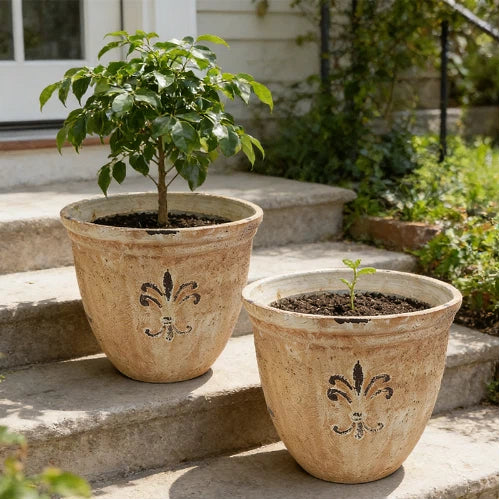
The traditional choice with roots stretching back thousands of years - from ancient Greece to Etruscan cultures - terracotta is low-fired earthenware with a characteristic warm, earthy tone. Terra-cotta pots are porous and absorb moisture quickly, which makes them perfect for plants that prefer drier soil and good airflow: succulents, cacti, and herbs. Materials such as terracotta and plastic are suitable for different plant types and climates, but terracotta particularly shines for gardening pots in warm, dry conditions. Keep in mind that terra-cotta pots are porous and dry out plants faster, so you'll water more frequently.

Plastic Plant Pots

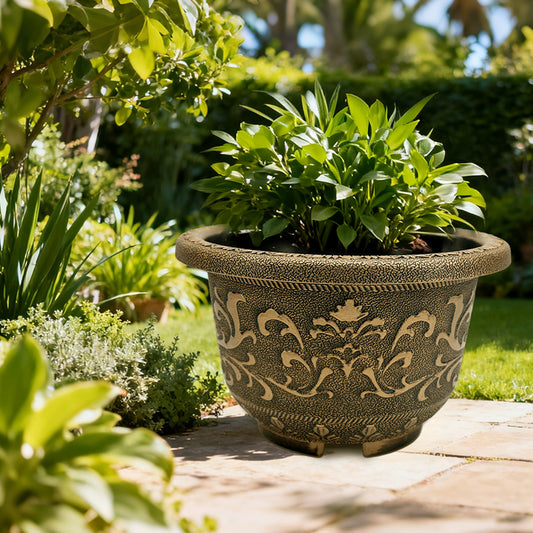
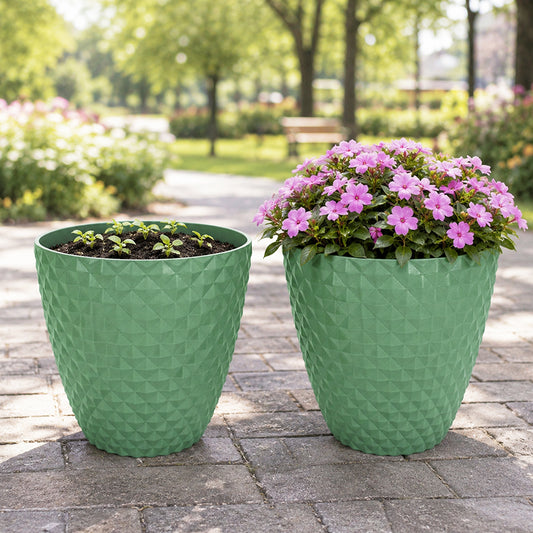
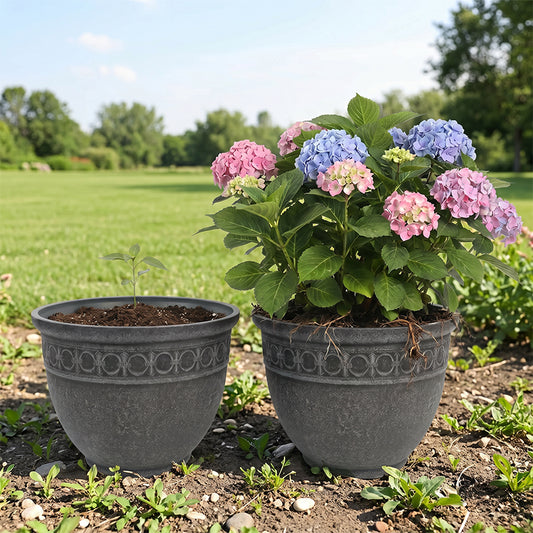
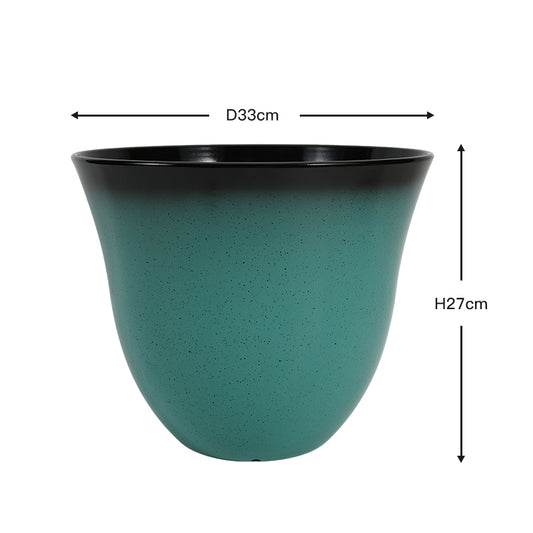
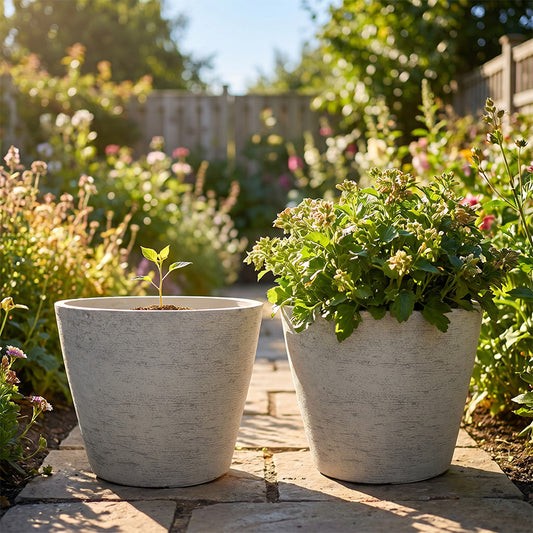
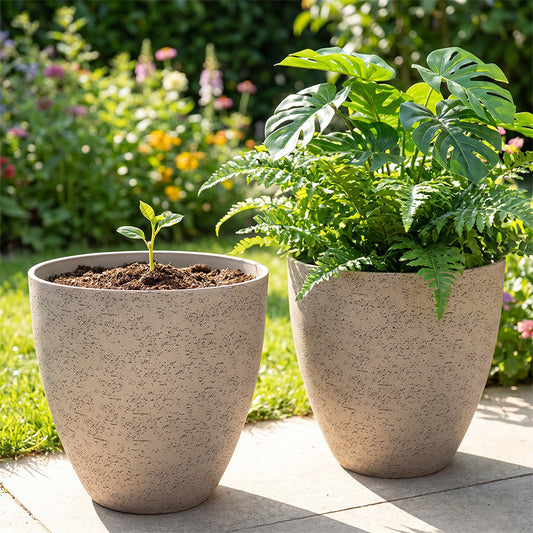
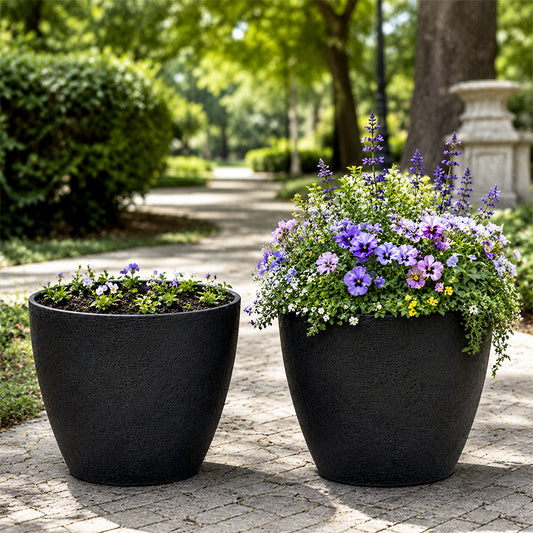
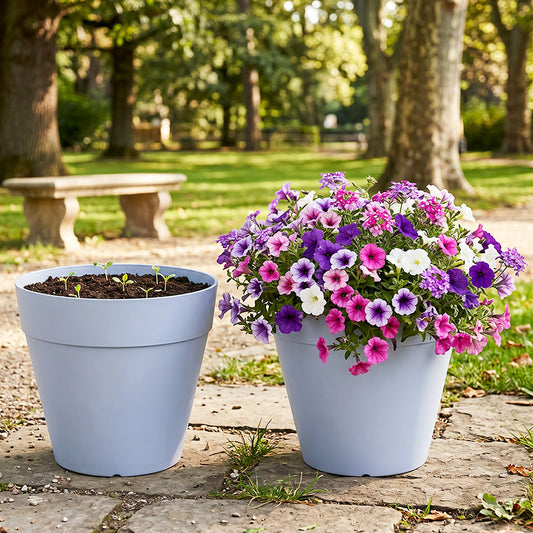
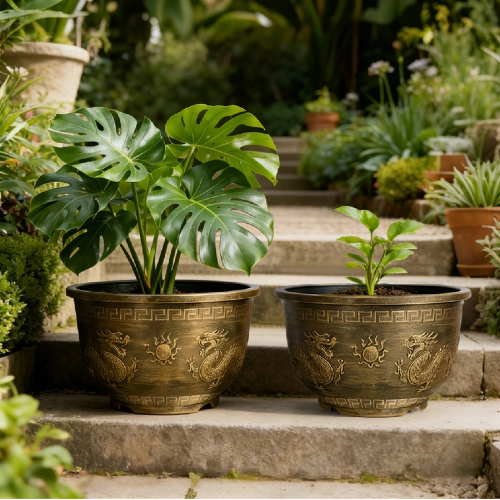
Lightweight, affordable, and durable under impact, plastic pots - typically made from polyethylene or polypropylene - account for 23.2% of the U.S. garden planter market. They're the go-to for nursery pot use, starting seedlings, and temporary potting. Resin planters are lightweight and less prone to breakage, and many modern plastic pots mimic the look of ceramic, stone, or wood at a fraction of the price. Plastic retains moisture longer than porous materials, so be mindful of overwatering - but this quality makes plastic pots a smart choice in hot, dry climates where you want soil to stay moist longer.

Natural Fiber Planters

Materials like bamboo, rattan, coir, and jute bring warmth and texture to indoor greenery displays. These eco-friendly options align with the growing demand for biodegradable and sustainably sourced planters and are perfect for modern and bohemian home styles. Natural fiber planters work best indoors or in protected outdoor settings - constant moisture or heavy sun can degrade them without a proper liner. Pair a woven rattan planter with a simple nursery pot inside for the best of both worlds: drainage where it counts, style where it shows. One of the easiest ways to repurpose what you already have is to use a clean tin or crock as the inner liner.

What to Look For in Plant Pots

A few key features separate a pot that supports healthy growth from one that slowly kills your plants. Focus on these attributes when you browse.

Drainage System and Pot with Saucer Considerations

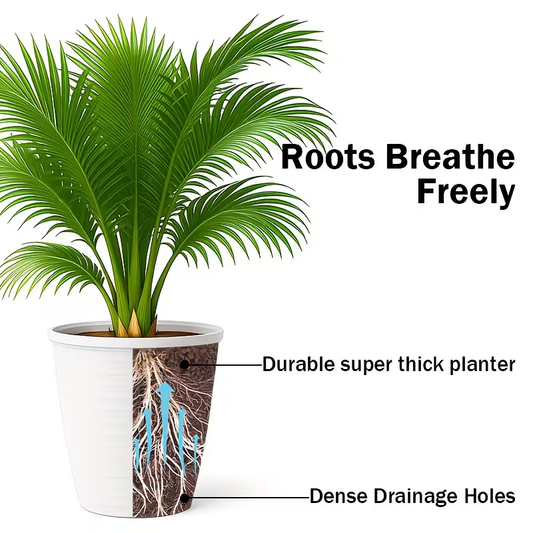
Choosing pots with drainage holes is essential to prevent excess water from causing root rot. Avoid placing drainage materials like rocks at the bottom of pots to ensure proper drainage - contrary to popular belief, a gravel layer actually raises the water table within the pot rather than improving flow. A pot with saucer or a drainage tray is especially important for indoor use: it protects floors and surfaces while letting excess water escape. In heavy weather, moving it to a sheltered spot can improve safety for both plants and indoor surfaces. Look for designs with multiple small holes or raised feet that elevate the pot off the ground for better airflow underneath.

Size and Depth

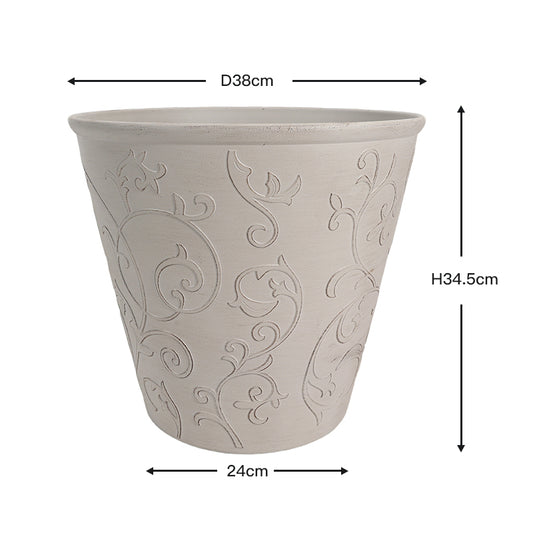
Selecting the right size pot helps prevent root crowding and waterlogging. Choose pots 2 to 4 inches wider than nursery pots when repotting - this gives roots room to grow without leaving so much excess soil that it stays soggy. Use wide, shallow pots for cascading plants like succulents. Tall, narrow planters are ideal for upright-growing plants. Rounded pots suit symmetrical plants like snake plants. Clear or open-sided propagation containers make it easier to inspect roots before moving a plant into a regular pot. Avoid narrow, V-shaped planters to prevent tipping. Plants in larger pots require less frequent watering due to increased soil moisture retention, and larger containers are beneficial in hot, dry climates as they hold moisture longer. Choosing the right size also makes it easier to move plants at different times of year without shocking the root system.

Material Durability

For outdoor use, you need weather resistant materials that handle UV exposure, rain, and freeze-thaw cycles. When porous materials absorb water and temperatures drop, that water expands by roughly 9%, which can fracture a pot over repeated cycles. High-quality terracotta fired above approximately 1,000°C achieves frost resistance, but lower-fired clay will crack. Concrete pots are durable and suitable for indoor and outdoor use, offering heavy stability that resists wind. Heavy pots are suitable for windy locations to prevent tipping. For indoor settings, easy cleaning matters more - glazed ceramic and plastic simply wipe clean, while porous clay may retain salt deposits over the years.

How to Choose the Right Plant Pot

Turning features into a decision comes down to four criteria, with the points below offering practical suggestions for narrowing the range:

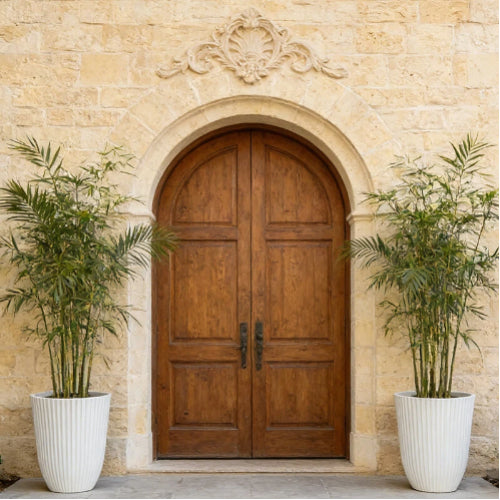
Plant Type - Matching pot materials to climate is essential for plant health. Succulents and herbs thrive in porous terracotta that dries quickly. Tropical houseplants and ferns do better in glazed ceramic or plastic that retains moisture. Deep-rooted plants like trees need deep, sturdy tree pots or planter pots with ample soil volume, so they can continue growing well after repotting or relocation.

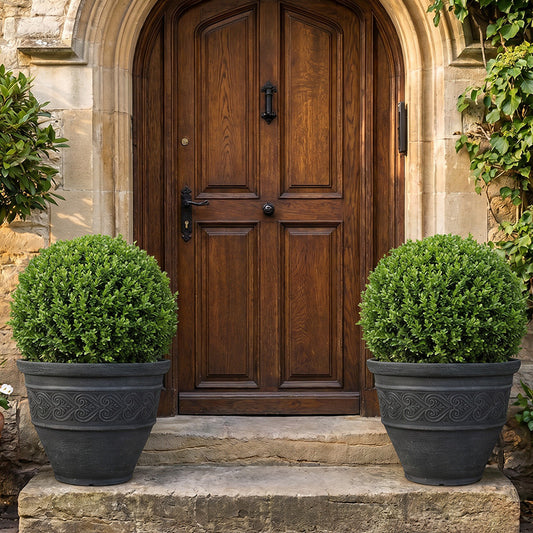
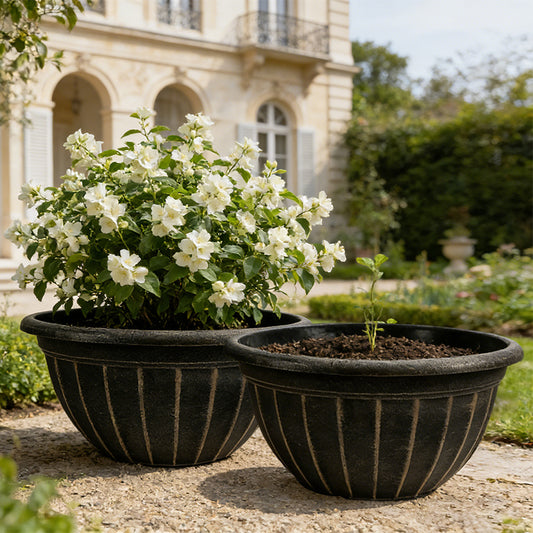
Location - Indoor and outdoor demands differ sharply. Indoor pots can prioritize style, lighter weight, and decorative impact. Outdoor planters need to withstand sun, rain, and frost - choose frost-proof ceramics, resin composites, or treated materials. Hanging planters can save floor space and add style to a balcony or porch, while hanging planters can be linked together for a stylish display indoors.

Size Requirements - Match the pot to the current plant size with room for growth. Don't jump too many sizes at once; gradually increasing diameter keeps roots healthy and prevents waterlogging. Glass pots allow visibility of plant roots for monitoring health, which can be a useful addition for propagation stations.

Budget - Nursery pots are the cheapest short-term option; investing in durable ceramic, steel, or metal planters costs more upfront but delivers years of use. Consider cost per year of usable life rather than sticker price alone. Maybe Plastic planters is the most economical and practical choice.

Frequently Asked Questions

What size plant pot should I choose for my houseplant?

Choose pots 2 to 4 inches wider in diameter than the current nursery pot or root ball. This provides enough space for root expansion without overwhelming the plant with excess soil that stays waterlogged. For larger plants, increasing total soil volume by about 20–30% works well. Depth matters too - deep-rooted species need taller containers.

Do all plant pots need drainage holes?

Yes, ideally. Drainage holes are the most reliable way to prevent water from pooling at the base and causing root rot. If you love a decorative pot that lacks holes - a cachepot - simply place a nursery pot with drainage inside it. Water, let it drain, then set it back in the outer pot. This keeps your plants protected while preserving the look you want.

Which plant pot material is best for outdoor use?

High-quality plastic and resin, fiberglass, frost-resistant ceramic, and concrete all handle outdoor conditions well. Concrete pots are durable for indoor and outdoor use and won't budge in wind. If you prefer terracotta outdoors, check that it's been fired at high enough temperatures for frost resistance. In regions with harsh winters, avoid standard low-fired clay - the freeze-thaw cycle will crack it within a season or two.

Can I use nursery pots long-term?

You can, but it's rarely ideal. Nursery pots are thin plastic designed for short-term growing and transport. Over time, they become brittle under UV exposure and offer no aesthetic value. Upgrading to a more durable pot improves root health, stability, and the overall look of your space. For a quick fix, double-pot by placing the nursery pot inside a decorative planter - you keep easy drainage and gain style.

Shop Our Plant Pot and Plant Stand Collection

Key trends for pots include clean silhouettes and neutral color-block designs for 2026, alongside growing interest in self watering systems and eco-friendly materials. Whether you're looking for flower pots for sale to complement a modern living room, gardening pots to create an outdoor herb garden, or planters for sale that work across seasons, this collection offers the variety of materials, sizes, and styles to find exactly what your plants - and your home - need. Browse the full range and add your favorites to your order.


Fast Delivery

Customer Support

Free Shipping

Secure Payment