Collection: Indoor Planters

The right indoor planter does two jobs at once: it gives your plant the root environment it needs to thrive and brings a deliberate design element into your space. Whether you're potting a compact succulent for a windowsill or housing a tall fiddle-leaf fig as a floor statement, this collection covers indoor planters in many types of materials, sizes, and shapes to suit every indoor plant and bring life to every room. At Solum Vitae, we blend thoughtful design with sustainable practices to showcase containers that nurture both plants and people, reflecting our mission to bring nature indoors with style and care.

Types of Indoor Planters

Indoor plant pots vary by material, construction, and function. Understanding the differences helps you match a container to the plant's needs and your interior style.

Ceramic and Pottery Planters

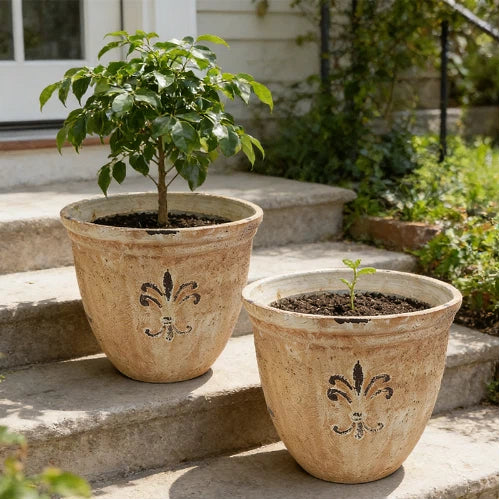
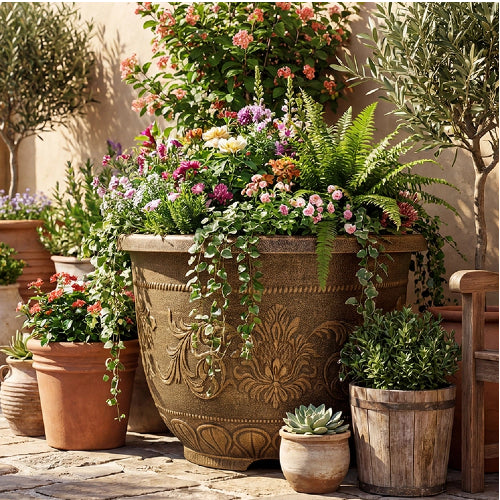
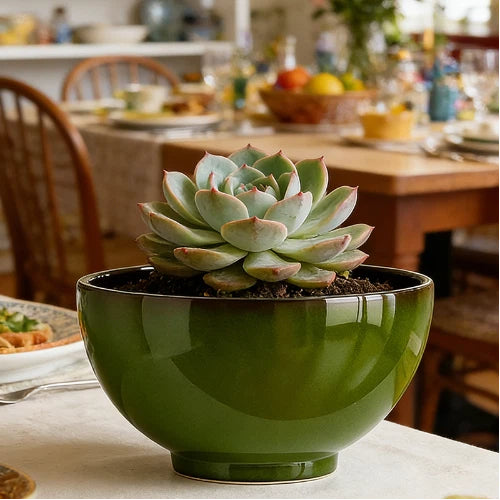
Ceramic pots are chosen for their visual appeal and durability - a classic choice that has anchored indoor gardens for centuries. Glazed ceramic retains soil moisture well, making it forgiving for plants that prefer consistent hydration, while unglazed terracotta is porous and lets moisture and air pass through the walls, promoting root aeration. Terracotta pots are breathable and reduce root rot risk, which makes them a perfect fit for species like succulents and cacti that dislike soggy soil. The weight of ceramic and pottery adds stability for top-heavy plants, and the material provides thermal buffering that protects roots from rapid temperature swings.

Modern Metal, Fiberglass, and Plastic Planters

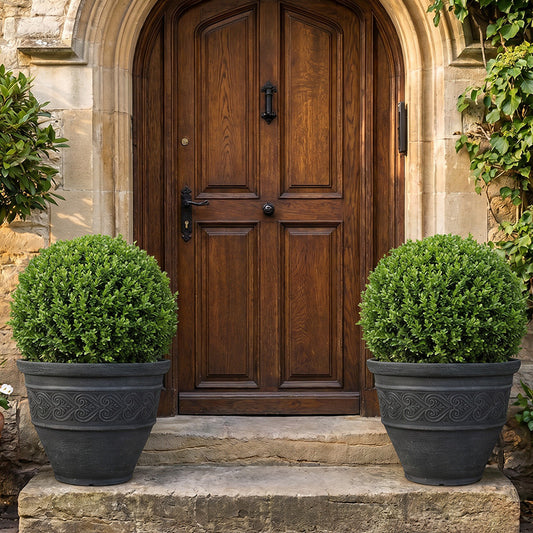
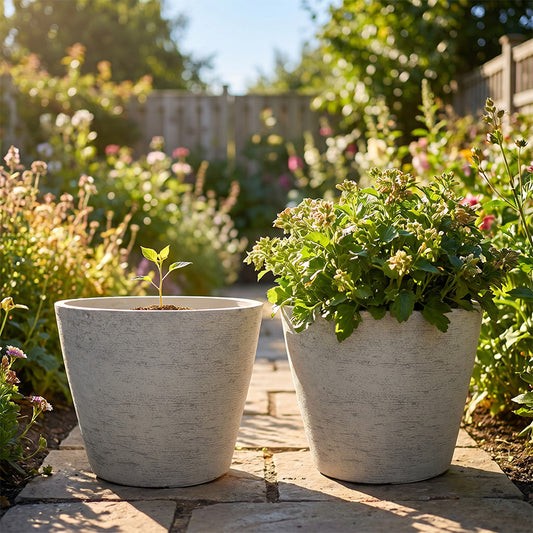
For a sleek, contemporary appearance, metal and fiberglass pots deliver. Metals like aluminum, brass, and stainless steel create a polished, modern look, while fiberglass containers are lightweight and suitable for large plants - balancing design appeal with everyday functionality and offering a premium stone- or concrete-like texture without the excessive weight. Indoor planters come in ceramic, fiberglass, metal, and plastic, but fiberglass in particular is gaining momentum; the U.S. garden planter market projects fiberglass growing at roughly 9.7% CAGR thanks to its durability and design versatility, and some styles can also work in covered outdoor areas when specified for that use. These materials complement minimalist and modern indoor spaces beautifully, and their durable construction resists chipping or cracking far better than pottery, with some options made from weather resistant materials for more versatile placement.

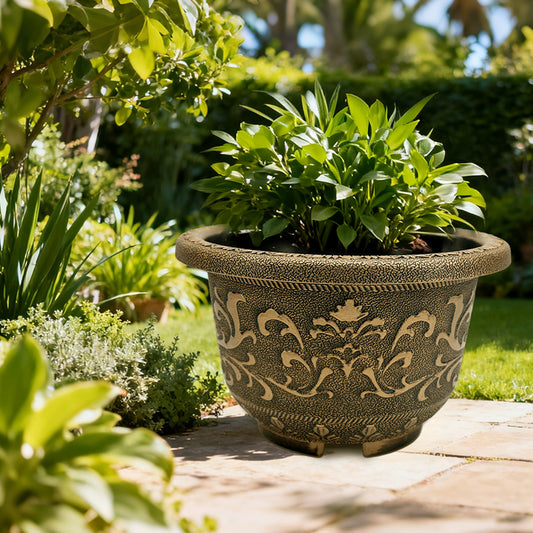
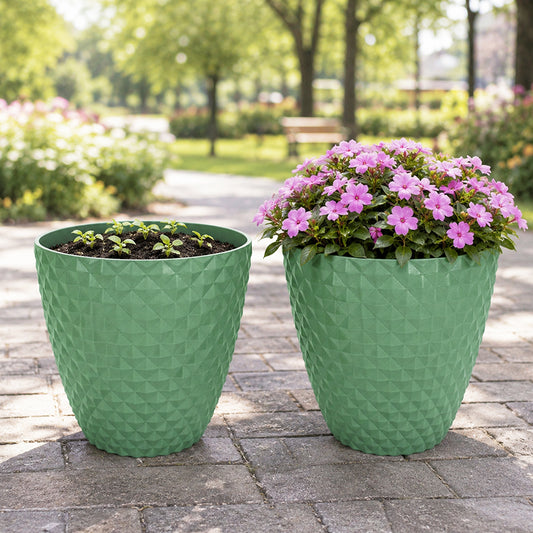
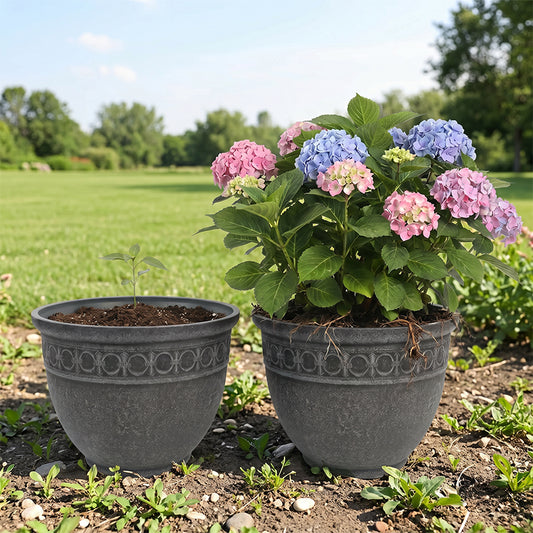
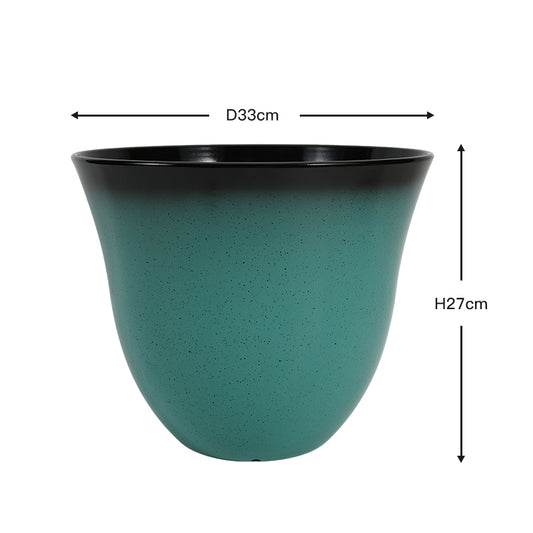
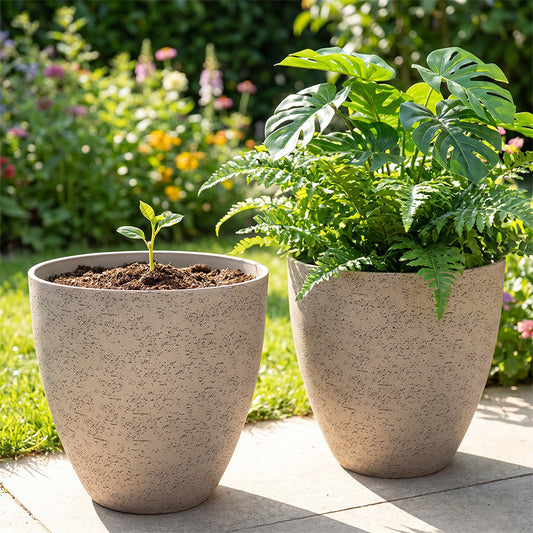
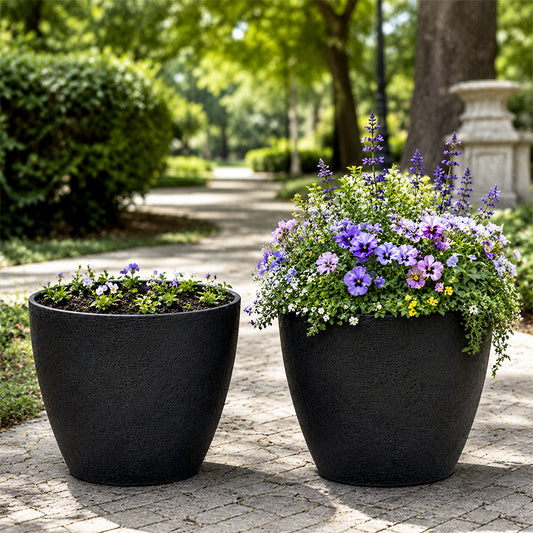
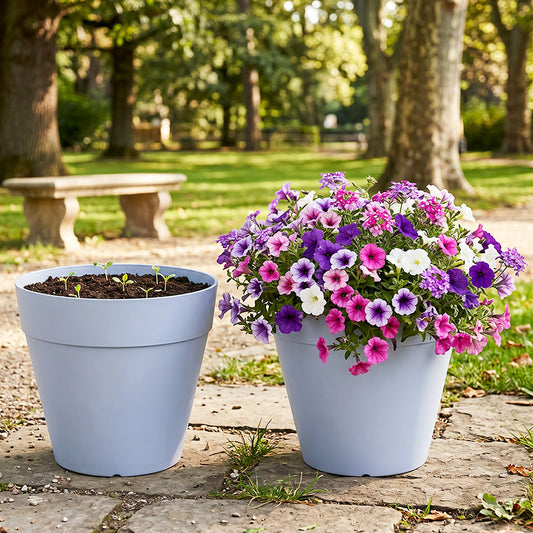
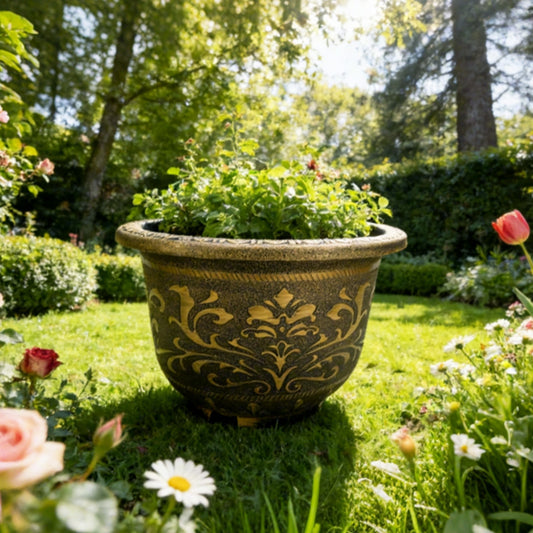
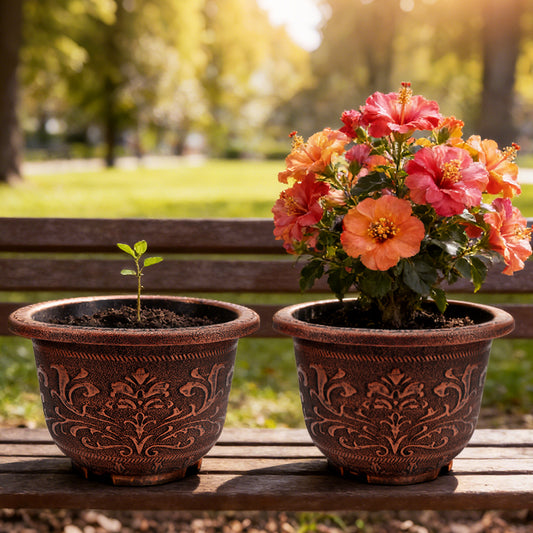
Plastic pots, a major part of our wide selection, offer distinct advantages. They are lightweight, affordable, and highly versatile, making them the right option for many indoor gardening needs. Modern plastic containers come in a variety of bold shades and finishes, including matte and glossy, and can mimic the look of ceramic or stone while being far easier to move. Plastic is also resistant to cracking and chipping, making it ideal for homes with pets or children. Additionally, plastic containers retain moisture longer than porous materials, which benefits moisture-loving green plants. Their durability and ease of cleaning make them a practical choice for busy households, and many designs include integrated drainage systems or self-watering features to elevate plant care convenience.

Natural Wood and Bamboo Planters

Wood containers offer high porosity for better soil drying, and their organic warmth brings nature indoors in a way few other materials can. Cedar, teak, and bamboo create rich, natural texture that pairs effortlessly with rustic, bohemian, and Scandinavian decor. Bamboo is a renewable, fast-growing resource - a detail that matters to the 62% of indoor plant pot buyers who now prefer pots made from renewable or recycled resources. Wood is semi-porous, allowing water vapor transmission that helps prevent waterlogged soil, though it benefits from liners or sealants to maintain longevity in moist indoor settings.

Self-Watering and Smart Planters

Self-watering containers have a reservoir for consistent hydration, typically using a dual-chamber design where the plant draws water upward through capillary action as the soil dries. They have a reservoir that stores water at the bottom, and self-watering pots distribute water in small amounts - reducing watering frequency significantly. These pots simplify plant care for busy individuals, frequent travellers, or anyone tending moisture-loving tropicals like ferns and monstera, with practicality being a big reason shoppers choose them. Smart containers take this further with sensors that measure soil moisture, temperature, and light, sometimes connecting to an app. About 12% of U.S. households have adopted some form of smart garden tech, a number expected to grow as IoT integration matures.

What to Look For in Indoor Planters and Indoor Plant Pots

Beyond style, a few key features determine whether a container supports healthy growth or quietly undermines it.

Drainage System

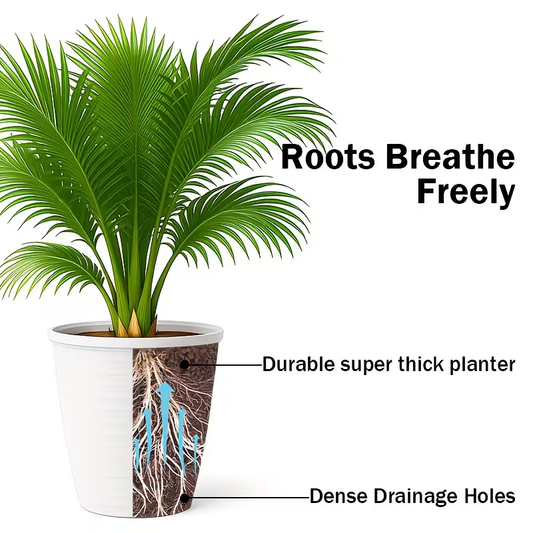
Indoor planters should have at least one drainage hole - poor drainage is a common reason houseplants die. Drainage holes let excess water escape, preventing the waterlogged, anaerobic conditions that cause root rot and fungal disease. Many pots feature removable plugs for drainage management, giving you flexibility for indoor use. Pair any draining planter with a saucer or tray to keep floors and furniture protected from water seepage, especially with porous materials like terracotta pots that allow moisture to pass through their walls. After watering, test drainage performance before placing the planter directly on floors or furniture.

Size and Proportions

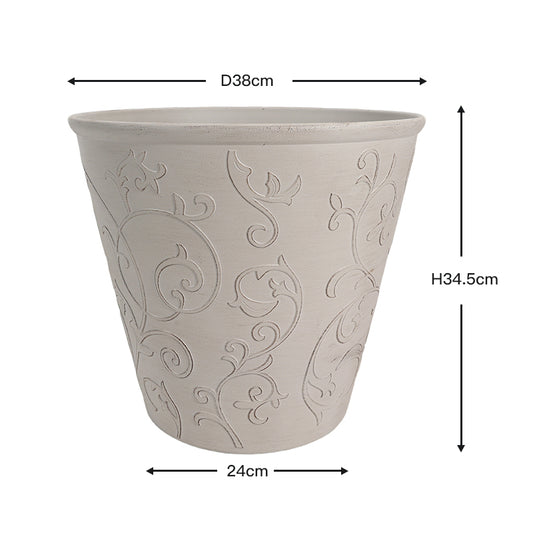
A pot should be 1–2 inches larger than the root ball for smaller plants. For larger plants, choose a pot 2–4 inches larger. The diameter of a container should match the plant's size requirements - repot only one size up to avoid root rot caused by excess soil holding moisture the roots can't absorb. Depth matters too: shallow pots (under 6 inches) suit succulents and herbs, while deep floor pots (12 inches and above) accommodate trees and tall foliage varieties with extensive root systems. Containers should allow for plant growth without frequent repotting, so consider the plant's mature size when selecting pot size.

Material Properties

Each material creates a different moisture environment. Unglazed terracotta and wood are porous, allowing the soil to breathe and dry between waterings - ideal for plants that prefer drier conditions. Glazed ceramic, plastic pots, and fiberglass are non-porous and retain moisture longer, suiting greenery that likes consistently moist soil. Weight is a practical factor: large indoor planters in ceramic or stone add stability but are difficult to move and may not be the best fit for a raised stand, while fiberglass and plastic offer the same scale in a fraction of the weight. Indoor planters are made from ceramic, fiberglass, and plastic, so matching material to your watering habits, the room's climate, and colour options such as green is essential for long-term plant health.

How to Choose the Right Indoor Planter

Turning features into a decision comes down to matching your specific situation:

Plant type and root system - Deep-rooted indoor trees need tall, sturdy floor pots with generous depth; shallow-rooted succulents thrive in wide, low pots. Hanging pots are ideal for trailing plants like pothos that cascade over edges. Large indoor planters accommodate trees and tall foliage varieties, so match the container's volume to the plant's growth habit.

Room location and light - South-facing windows introduce heat; metal or dark-coloured pots can overheat soil in direct sun. Ceramic and wood offer better insulation. In low-light or dry rooms, moisture-retentive materials help maintain consistent hydration.

Interior design style - Modern and minimalist settings call for sleek metal or plastic or fiberglass in bold shades or muted tones. Rustic and bohemian rooms suit terracotta, wood, plastic and bamboo with natural texture. Round, square, and tapered shapes all create different visual effects - choose what will complement your existing furniture and decor.

Maintenance and watering frequency - Self watering containers are the right option for anyone who travels or forgets to water. If you enjoy hands-on care, porous materials like terracotta that dry faster give you more active control over the watering cycle.

Space and mobility - Compact indoor spaces and apartments favour wall-mounted, hanging, or stackable options. If you need to move containers for cleaning or chasing sunlight, lightweight fiberglass or plastic beats heavy ceramic every time.

Frequently Asked Questions

What size planter do I need for my indoor plant?

A pot should be about 1–2 inches wider in diameter than the plant's existing root ball to provide enough room for growth and healthy root development.For larger plants, go 2–4 inches larger. Repot only one size up to avoid excess soil that retains moisture and risks root rot. When roots circle the bottom of the current pot or poke through drainage holes, it's time to move up.

Do all indoor planters need drainage holes?

Ideally, yes. Poor drainage is a common reason houseplants die. If you fall in love with a decorative pot that lacks holes, use the double-potting technique: place your plant in a functional inner pot with drainage, then set it inside the decorative outer pot. This lets you remove the inner pot to water and drain excess water before replacing it - keeping both your plant and your floors protected.

Which materials work best for different indoor plants?

Terracotta pots allow for better breathability and drainage, making them excellent for succulents, cacti, and herbs that prefer to dry out between waterings. Glazed ceramic pots and plastic pots retain moisture longer, which suits tropicals like monstera, ferns, and peace lilies. Wood pots offer high porosity for better soil drying, sitting between the extremes. Fiberglass pots are lightweight and suitable for large plants like indoor trees and palms where weight would otherwise be a challenge.

How do I protect my floors from planter water damage?

Always use a saucer or drip tray beneath your pot, especially with porous materials like terracotta that can seep moisture through their walls. Elevate containers on a stand or felt pads to allow airflow and prevent scratching on hardwood. For tile or stone floors, a waterproof tray is sufficient. In carpeted rooms, consider placing the pot on a waterproof mat as an extra layer of protection.

Browse Our Indoor Planter Collection

From crafted ceramic to weather-resistant plastic pots, from compact plant pots for a kitchen shelf to statement floor planters for a living room - our wide selection of indoor planters offers the function, beauty, and inspiration to enhance any setting and your plant display. Explore the collection to find the perfect match for your plants, your space, and your style, with styling ideas as you browse. At Solum Vitae, our commitment to quality, sustainability, and design excellence ensures your indoor planters not only showcase your plants beautifully but also support a healthier, more vibrant home environment.


Fast Delivery

Customer Support

Free Shipping

Secure Payment