
Before You Choose an Outdoor Planter
- The three non-negotiables for outdoor planters are weatherproof materials (UV and freeze-thaw resistant), adequate drainage holes, and a planter size matched to the plant root depth.
- Planter material choice should follow your local climate: resin or fiberglass for freeze-thaw climates, light-colored UV-stable plastic or fiberglass for hot sunny patios, and sealed wood or metal with liners where temperature swings are moderate.
- Planter shape matters for design and function: round planters work best as focal points, rectangular planters define edges and create privacy screens, and cube planters anchor trees and shrubs.
- Planters come in various shapes-round, rectangular, and square-and each serves a different layout purpose in your outdoor space.
Why Outdoor Planters Fail
Every season, gardeners watch ceramic pots crack after one hard freeze, glossy finishes fade on a south-facing balcony within a single summer, and roots suffocate in containers without drainage holes. Choosing outdoor planters based purely on appearance is a common mistake, and it is one of the fastest routes to root rot, wasted money, and dead plants.
A truly weatherproof outdoor planter survives sun, rain, and repeated freeze-thaw cycles for 12 months a year without splitting, fading, or waterlogging soil. That means the right material, proper drainage, and enough planter size for the plants you want to grow.
This outdoor planter buying guide delivers actionable outdoor container gardening tips and breaks down how to select, winterize and style durable weatherproof outdoor planters. Inside, you’ll find an outdoor planter material comparison, sizing guidance for outdoor vegetable planters, patio layout ideas, and a full seasonal schedule for winterizing garden pots that keeps your backyard flowers, shrubs and veggies thriving year-round.
If you’ve dealt with cracked, faded containers year after year, durable outdoor planters built for all-season outdoor use eliminate frequent replacement expenses.

Must-Have Weatherproof Features for Outdoor Containers
Style and finish grab attention, but a planter's engineering is what decides whether it survives outdoors beyond one or two seasons. Three features matter most.
Drainage is the most important feature for outdoor planters. Planters need drainage holes to prevent water stagnation, stop roots from suffocating in moist soil, and protect against wet soil expanding and cracking pots during winter. Drainage affects plant health and maintenance requirements across every season. Some resin or fiberglass planters ship with pre-molded but sealed holes-drill holes through them before planting outdoors.
UV resistance separates durable containers from disposable ones. Cheap plastic containers can become brittle and fade in a single season of full sun. Research published in Symmetry shows that non-stabilized plastics lose tensile strength rapidly at around 300 hours of accelerated UV exposure, while UV-stabilized versions hold up beyond 900 hours. UV-resistant and fade-resistant finishes—powder-coated metal, stabilized resin, gel-coated fiberglass—resist chalking and color loss even on exposed rooftops.
Freeze-thaw durability is critical in cold climates. Porous materials like standard terracotta and thin ceramic pots soak up water, then crack as it freezes (water expands roughly 9% by volume). High-density resin, properly formulated fiberglass, and well-sealed fiberstone resist repeated freeze-thaw cycles. Frost-resistant materials are essential for cold climates where planters stay outdoors year-round.
For structural stability, large planters need sufficient wall thickness and filled weight to stay upright in wind, plus a flat base or risers to keep drainage clear. Extension research from NC State confirms that matching container depth, drainage, and material to plant type is the foundation of successful outdoor container growing.
Key takeaway: Smart drainage design, UV protection, and freeze-thaw resistance are the three essential traits of long-lasting outdoor containers.
Outdoor Planter Material Comparison by Climate
The best planter material depends less on trend and more on climate-humidity, temperature swings, UV exposure, and whether containers stay outside year-round. Materials must withstand local climate conditions for durability. Heavy-duty garden pots feature thick reinforced sidewalls built to resist splitting through harsh winter freeze-thaw cycles.
Resin and fiberglass are lightweight, durable, and excellent for balconies and rooftops where weight limits apply. Resin planters are durable and weather-resistant. Fiberglass is lightweight and durable but may have a higher upfront cost. Quality versions are UV-stabilized and can convincingly mimic stone or ceramic finishes. Yardify testing data reports zero freeze-thaw degradation after ten years for high-density fiberglass in cold-winter cities like Minneapolis and Chicago.
Ceramic pots and glazed earthenware look beautiful on patios where they can be moved under cover. However, terracotta planters are breathable but crack in cold weather, making them vulnerable to freeze damage in zones with regular winter lows below 32°F. Plant type influences container choice here-succulents and Mediterranean herbs thrive in terracotta's porous nature because it keeps roots drier, but only in mild climates.
Metal planters (steel, corten, aluminum) offer a sleek, modern style. Metal planters can overheat in sunlight and may rust without powder coating or a naturally patinating finish. Use liners or double pots to buffer soil from conducted heat. Dark-colored pots can overheat roots in full sun, so position metal containers in partial shade or morning-only sun.
Concrete and fiberstone provide excellent stability for permanent installations and very large outdoor planters. Concrete planters are extremely durable but very heavy. Lightweight fiberstone composites offer a compromise between solid stone and resin.
Wood planters (cedar, redwood, treated pine) insulate roots well and suit vegetable or herb planters. Wood planters have a natural aesthetic but may require maintenance to prevent rot. Wood planters require sealing to prevent rot and splitting over time.
Plastic remains the most accessible option. Plastic pots are lightweight and affordable but can fade in the sun. High-grade plastic planters are lightweight and shatterproof, making them good starter containers. Maintenance requirements vary by material; plastic is very low maintenance but may need replacing every few years.
To compare long-lasting material performance across all climate types, check our roundup of the best weather-resistant outdoor containers.

Matching Outdoor Planters to Plant Types (Flowers, Shrubs & Edibles)
Choosing the right size planter based on plant root depth and growth rate prevents stunted plant growth and reduces plant stress. Planters are larger containers designed for multiple plants, and they need enough soil volume for roots to spread.
Vegetables and Edibles
Outdoor vegetable planters need generous depth. Root vegetables like carrots and beets require a minimum 10–12 inches of usable soil depth. Peppers and eggplant need 12–18 inches. Deep-rooted crops—tomatoes, cucumbers, winter squash—demand 18–24 inches and at least 5 gallons of soil per plant. Rectangular planters work well for rows of lettuce, strawberries, and herbs. For exact depth sizing and high-yield layout ideas, explore our dedicated guide covering the Best Outdoor Containers for Vegetables & Fruits.
Flowers
Shallow annuals like pansies and petunias do fine in 8–10 inch deep round planters. Mixed annual displays benefit from medium-depth rectangular planters. Perennials and small plants used as "thrillers" need larger 16–20-inch diameter containers to accommodate larger root systems over time. Find sizing and sun requirements in our full guide to outdoor containers for flower gardening.
Shrubs and Small Trees
Large planters of 18 inches or more in diameter and depth are ideal for trees and shrubs—dwarf citrus, Japanese maples, blueberry bushes. These plants grow best with 20+ gallons of soil volume, which buffers temperature swings and holds consistent moisture on exposed decks.
Quick Sizing Reference
|
Plant Category |
Minimum Depth |
Container Volume |
Best Shape |
|---|---|---|---|
|
Herbs, succulents |
6–10 inches |
1–3 gallons |
Small round or rectangular |
|
Ferns, medium flowers |
12–16 inches |
4–6 gallons |
Medium round or rectangular |
|
Tomatoes, peppers |
12–18 inches |
5+ gallons |
Deep round or rectangular |
|
Trees, large shrubs |
18–24 inches |
20–30 gallons |
Large round, cube, or tall |
Large outdoor flower pots deliver ample soil volume for deep-rooted roses, berry bushes and vegetable crops. Small planters of 6–10 inches suit herbs and succulents. Medium planters of 12–16 inches fit ferns and snake plants. For deep detail on edible and flower container setups, look for dedicated sub-guides on outdoor vegetable planters and flower gardening container recommendations.
Choosing the Right Size & Shape for Your Outdoor Space
Choosing the right planter means balancing plant needs, human scale, and the dimensions of your outdoor space—from small spaces on a balcony to wide backyard patios.
Size guidelines suggest that new pots should be 1–2 inches larger than current pots for small plants, while shrubs and trees benefit from stepping up 2–4 inches wider than the current root mass. Larger volumes (18–24 inches in diameter or length) work best for multi-plant displays in larger spaces.
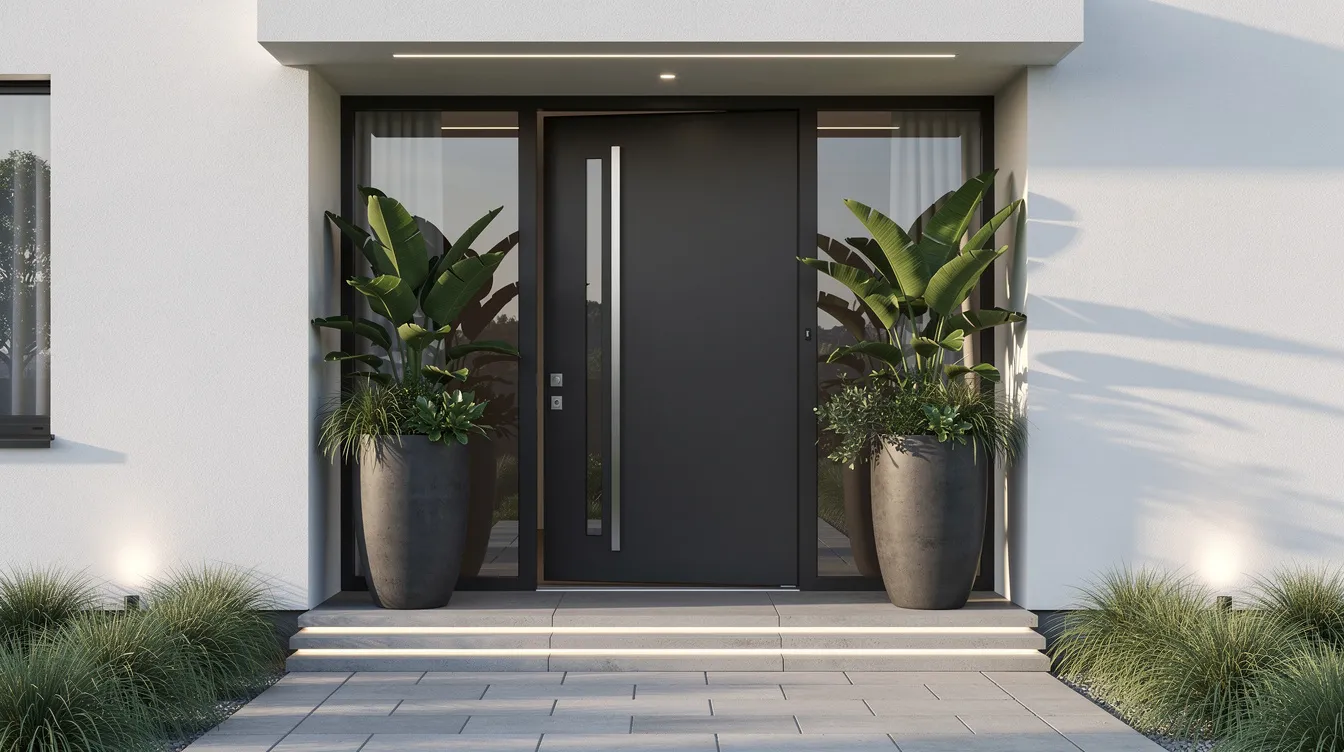
Round planters serve naturally as focal points-by a front door, on either side of steps, or centered in a courtyard. Use symmetrical pairs for formal style or odd-number clusters for a relaxed feel.
Rectangular planters are ideal for defining spaces and creating boundaries. They fit against railings, along balcony edges, or between seating areas. They double as space-saving privacy screens when planted with tall grasses or bamboo, and their linear shape is more efficient in narrow outdoor areas.
Square and tall planters anchor compact trees or shrubs. Tall forms add vertical emphasis when floor area is limited-flanking a narrow townhouse entryway, for example, or creating a vertical garden effect in a tight courtyard.
Think in three dimensions: three long rectangular planters can define a 10-foot balcony, while a grouping of different heights on a 12×12-foot patio creates depth without clutter. The right planter shape always serves both the plant and the space.
Layout Ideas with Large & Tall Outdoor Planters
Large outdoor planters are design tools. They structure patios, soften hard edges, and can replace low walls without permanent construction, which is especially useful in rental outdoor areas.
Backyard and courtyard framing: Use 24–36-inch long rectangular planters filled with ornamental grasses or dwarf shrubs to frame a seating area. This creates natural boundaries, blocking sightlines to neighboring properties while leaving clear walkways.
Deck and rooftop privacy: Line three or four tall planters along a railing to form a green screen with bamboo or tall grasses. This creates a living privacy wall that feels lighter than lattice or solid panels.
Front entry presence: A pair of tall, narrow round or square planters on either side of the door, planted with evergreen shrubs or dwarf conifers and underplanted with seasonal flowers, anchors the entry and adds year-round interest.
Grouping for layered impact: Group planters of varying heights for visual interest-one tall, one medium, one low and wide. Keep finishes and colors cohesive to create strong focal points without visual clutter. This approach works on both small balconies and in larger spaces.
Drainage, Soil & Watering: Keeping Outdoor Roots Healthy
Even the best planter material fails if water cannot escape. Proper drainage stops waterlogged roots, and outdoor container gardening depends on getting drainage design and soil choice right. Drainage systems should be planned before planter installation.
Drainage holes: Outdoor planters should have at least one large central hole (1/2–3/4 inch) plus several smaller perimeter holes for larger containers. Planters need drainage holes to prevent waterlogged roots. If your pot arrived without them, you can carefully drill holes in resin, fiberglass, and some ceramic pots. This simple step will prevent rot and protect root health season after season. If you’re unsure whether drilled holes are mandatory for year-round outdoor use, read here: Do Outdoor Containers Need Drainage Holes?
Elevation: Set planters on pot feet, bricks, or low risers so drainage holes don't sit flush against patios or decks. This prevents water from pooling underneath and staining surfaces, and it stops the base from freezing to the ground in winter.
Soil mix: Use a high-quality outdoor potting mix—never garden soil—formulated for containers. Adding perlite or bark improves aeration. Heavier mixes with compost and coco coir help large planters maintain consistent moisture during summer heat. Size affects plant health because larger planters retain moisture better, and larger pots provide space for root growth and better moisture retention.
Watering: Shallow planters and porous containers dry out faster, while large resin or fiberglass planters with big soil volumes buffer moisture well. Check moisture 2–3 inches down before watering, especially during heatwaves. Root systems depend on even moisture rather than frequent shallow splashes.
Self-watering options: Self-watering planters have a built-in water reservoir that allows plants to access moisture through capillary action. They reduce the frequency of watering during hot summers, help conserve water through efficient distribution, and minimize plant stress from irregular watering-a real advantage for people with busy schedules. Integrated water reservoirs and built-in reservoirs reduce watering frequency significantly. That said, these self-watering systems still need overflow drainage planning for heavy rain events outdoors.
Full-Year Maintenance & Winterizing Schedule for Garden Pots
Outdoor planters benefit from a simple, repeatable seasonal checklist rather than intensive care. With regular maintenance spread across four check-ins, most weather-resistant containers stay outdoors for years without major damage.
Spring (March–May)
- Inspect planters for cracks, spalling, or rust from winter
- Clean algae, moss, and mineral deposits from surfaces
- Refresh topsoil: remove old mulch, add compost or fresh potting mix
- Repot root-bound plants into the next right-sized container
- Start feeding with a balanced slow-release fertilizer (10-10-10 or 14-14-14)
Summer (June–August)
- Monitor soil moisture 2–3 inches down; water deeply when dry
- Move dark or thin-walled planters back from south-facing walls to reduce root overheating
- Group containers to shade root zones of other plants
- Apply half-strength liquid fertilizer during bloom and fruiting
- Check for pests and fungal issues encouraged by heat and wet conditions
Autumn (September–November)
- Trim back annuals; clear fallen leaves from the soil and drainage holes
- Top-dress perennials with compost to build soil health
- Decide which fragile ceramic pots or terracotta containers need to be moved under shelter before night frosts
Winter (December–February)
- Raise pots on feet or blocks to ensure drainage and reduce frost damage at the base
- Remove saucers that trap standing water-they freeze and hold ice against the pot
- Wrap vulnerable materials with breathable insulation (burlap, foam board) in very cold climates
- Empty soil from non-frost-rated containers and store them dry indoors
For a detailed seasonal container care workflow, the University of Arizona's Container Gardening guide is a solid reference. With proper care, quality planters last well beyond a few years without replacement.
If you garden in cold, freeze-prone zones, read our full guide on How to Protect Outdoor Containers From Frost & Winter Damage.
Styling Tips: Colors, Finishes & Mixing Indoor–Outdoor Looks
Outdoor planters contribute as much to the style of a patio as furniture does. A few simple rules prevent visual chaos.
Choose 1–2 main planter colors or finishes—charcoal and warm gray, or white and sand—to unify different shapes and sizes. Neutral finishes let foliage and flowers stand out as the real statement.
Mix textures deliberately: matte fiberstone or resin against smoother glazed ceramic pots, or wood planters alongside powder-coated metal pieces, keeping the overall palette cohesive. Match finishes to architectural style—sleek cubes and round planters in solid tones for contemporary homes, rustic textures and terracotta accents for cottage or Mediterranean garden spaces.
Near patio doors, coordinate indoor and outdoor planters with similar shapes and colors so the transition from living room to deck feels intentional. And always group planters by height and shape rather than scattering single containers at random-it creates stronger focal points and a more polished look. For minimalist exterior matching ideas, view our gallery of Modern Outdoor Container Designs.

When to Invest in Premium Weatherproof Outdoor Planters
Outdoor planters range from inexpensive seasonal plastic pots to long-life, UV-stable fiberglass and resin designs. When to spend more depends on how and where they will be used.
Invest in premium when:
- Planters sit on exposed rooftops with strong wind and sun year-round
- Containers are permanent-front entry, year-round balcony, or large patio installations
- You are planting trees, large shrubs, or privacy screens that will stay in place for years
The hidden costs of going cheap: Frequent replacements after a couple of freeze-thaw winters, cracked rims when moving heavy soil, and faded colors that age a space prematurely. Over three to five years, replacing cheap plastic containers twice costs more than buying one quality pot.
Premium weatherproof planters feature reinforced rims, internal bracing, thicker walls, and high-quality pigments that hold color without chalking-even on south-facing terraces through years of UV exposure.
If you are ready to upgrade, explore a curated range of weather-resistant outdoor planters selected with long-term outdoor performance and low maintenance in mind.
Outdoor Planter FAQ
Below are answers to specific questions about durability, drainage, and year-round outdoor use that go beyond what the main guide covers.
Drainage
Do outdoor planters always need drainage holes?
Any planter exposed to rain should have drainage holes, or it becomes a waterlogged bucket that kills root systems and can crack pots during freezes. Poor drainage is the leading cause of root rot in outdoor containers.
Decorative containers without drainage can be used outside only if a smaller plastic grow pot with holes is placed inside and lifted slightly so excess water escapes. Except for intentional water gardens or bog setups, drilling or opening drainage holes is always the safest choice for long-term outdoor plant health.
Antifreeze / Winter Care
Can I leave ceramic pots outside in winter?
Most standard ceramic and terracotta pots are vulnerable to freeze-thaw cycles because moisture in the clay or soil expands when it freezes, causing cracks or spalling. This is especially true for thin-walled or unglazed pieces.
High-fired, explicitly frost-resistant or "freeze-proof" ceramic planters can often stay outside, particularly if they have drainage holes and sit on feet above the ground. A practical rule: if your winters regularly drop below 32.6F and stay there for days, move non-rated ceramic pots under cover or empty and store them dry for the season.
Materials and Suitability
What's the best planter material for a windy rooftop or balcony?
Lightweight but strong materials like fiberglass or high-quality resin suit upper-story locations, balancing structural weight limits with the need for stability. Larger, low-profile shapes—long rectangular planters, wide bowls—are less likely to tip than very tall, narrow pots. Adding stones at the base increases stability without exceeding load limits.
On extremely exposed sites, avoid very top-heavy plantings (tall single-trunk trees) in small containers. Choose wider containers with a low center of gravity for better wind resistance.
Size and Planting
How big should a planter be for a small tree or large shrub?
For patio trees like dwarf olives, citrus, or Japanese maples, use planters at least 18–24 inches in both diameter and depth. Larger soil volumes buffer temperature and moisture extremes, keeping roots cooler in summer and reducing water stress compared to undersized pots.
Plan for root expansion over several years. Aim for containers that can support the plant for at least two to three growing seasons before needing to step up in size.
Soil and Maintenance
Can I reuse soil in outdoor planters from year to year?
Outdoor planter soil can be reused for several seasons if plants are healthy. Refresh annually by removing some old mix, adding new potting soil, and working in compost or slow-release fertilizer. This keeps nutrients and structure in good shape.
Discard and replace soil if plants suffered from serious root diseases or heavy pest infestations, especially in vegetable planters. Over time, peat-based mixes break down and compact, so completely replacing the mix every few years restores drainage and aeration to the levels roots need for healthy plant growth.
Cleaning and Appearance
How to Clean Mineral Deposits on Outdoor Planters
Mineral deposits form from hard water and fertilizer salts and appear as white or crusty buildup on planter surfaces. To clean them, use a mixture of equal parts white vinegar and water. Apply with a soft cloth or sponge and scrub gently. For stubborn deposits, let the solution sit for 10–15 minutes before rinsing thoroughly with water. Avoid harsh abrasives that can damage finishes.
Design and Styling
Can You Mix Different Planter Materials on One Patio?
Yes, mixing planter materials like resin, terracotta, metal, and wood can create a dynamic and visually interesting patio garden. To maintain cohesion, choose planters with complementary colors or finishes and group them thoughtfully by size and shape. Just ensure each material suits the plant type and local climate conditions for durability.
Lightweight Planters for Balconies
Best Lightweight Outdoor Planters for Apartment Balconies
Lightweight planters such as fiberglass, resin, and high-grade plastic are ideal for apartment balconies where weight limits apply. These materials are weather-resistant, easy to move, and often come with features like built-in drainage or self-watering reservoirs. Choose compact sizes and shapes that maximize space while supporting healthy root growth. For upper-story balcony weight limits, we break down top picks in our guide to lightweight outdoor containers.
More Outdoor Flower Planter Guides
Expand your flower container layout and styling knowledge with our dedicated deep-dive posts:
Shop Weatherproof Outdoor Planters
Ready to elevate your outdoor gardening with planters built to last? Explore our curated collection of all-weather outdoor garden planters designed for durability, style, and year-round performance. Whether you need large fiberglass planters for your backyard, UV-resistant resin pots for a sunny patio, or classic terracotta-inspired designs with modern weatherproofing, we have options that fit every garden style and climate.
- Durable Materials: Choose from UV-stabilized resin, fiberglass, high-grade plastic, and frost-resistant composites.
- Variety of Sizes & Shapes: From compact herb planters to large privacy screens in rectangular or tall cube formats.
- Built-in Features: Many include integrated drainage, self-watering reservoirs, and mobility options like wheels.
Conclusion
Selecting the right outdoor planter is crucial for a thriving container garden. Prioritize weatherproof materials that resist UV fading and freeze-thaw cracking, ensure proper drainage to prevent root rot, and choose sizes that accommodate your plants’ root systems and growth habits. Understanding the strengths and limitations of materials like resin, fiberglass, terracotta, metal, and wood helps you match planters to your local climate and garden style.
With thoughtful sizing and layout, you can create stunning focal points, privacy screens, or layered plant displays that enhance your outdoor space year-round. Regular maintenance following a seasonal schedule keeps your planters and plants healthy through sun, frost, and rain.
For deeper material specs and format comparisons, visit the complete planter buying overview.
Happy gardening, and may your outdoor planters flourish all year long!


